
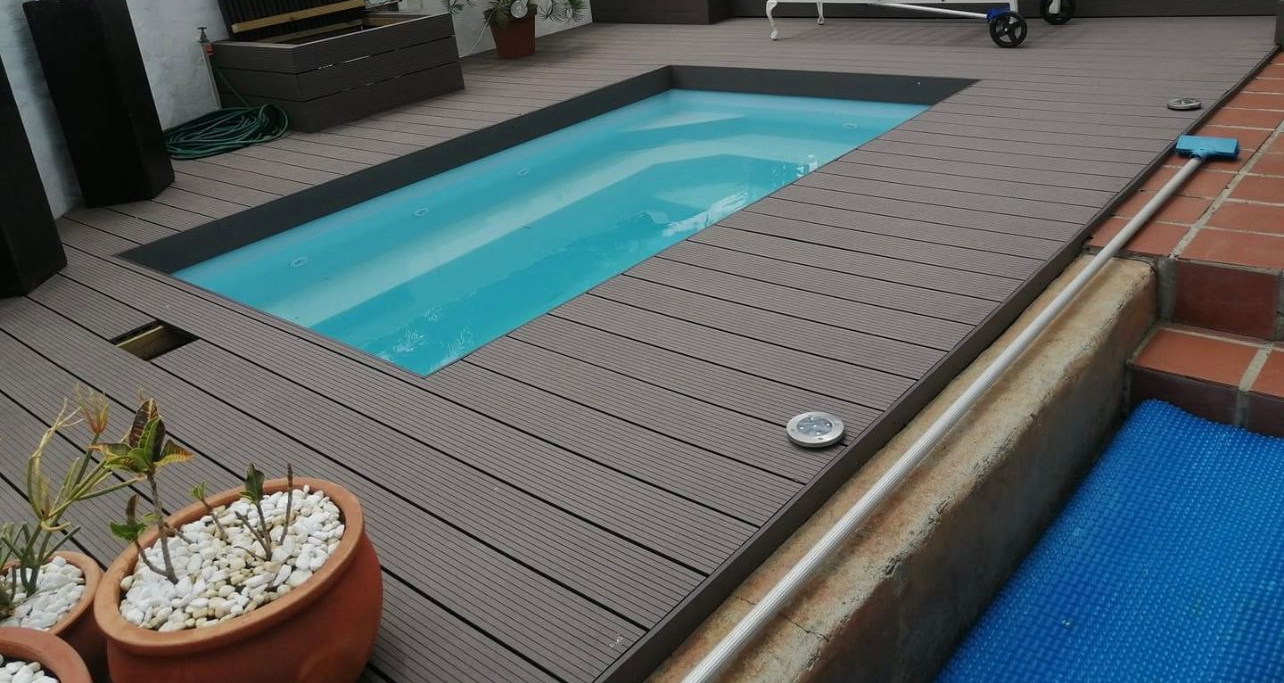
Not long ago, swimming pools were seen as extravagant features reserved for sprawling suburban mansions or luxury resorts. Today, that perception has changed dramatically. Homeowners with smaller properties are increasingly investing in compact, intelligent swimming pool designs that deliver relaxation, beauty, and functionality without requiring enormous outdoor space. In dense urban neighborhoods and modern suburban developments, every square foot matters, which has pushed architects and designers to rethink how pools can fit into tighter footprints while still feeling luxurious.
One major reason for this shift is the changing way people view outdoor living. Backyards are no longer just patches of grass hidden behind fences. They have become extensions of the home itself, places for entertaining, exercising, relaxing, and even working remotely. A thoughtfully designed compact pool can transform a modest backyard into a personal retreat that feels surprisingly expansive. In many cases, a small pool paired with clever landscaping and smart technology creates a more elegant atmosphere than oversized pools that dominate a yard without purpose.
The rise of smart home technology has also influenced compact pool design. Homeowners now expect automation, energy efficiency, and convenience in every part of their property. Small pools equipped with app-controlled lighting, automated cleaning systems, and energy-efficient pumps deliver high-end experiences without excessive operating costs. According to industry reports from the Pool & Hot Tub Alliance, demand for smaller plunge-style pools has steadily increased over the past few years, particularly in urban markets where outdoor space is limited.
There is also a psychological aspect behind the popularity of compact pools. Smaller pools tend to feel intimate and calming rather than overwhelming. Think of them like boutique hotels compared to massive resorts. They encourage connection, conversation, and relaxation. For homeowners balancing aesthetics with practicality, compact smart pools represent a perfect middle ground between luxury and efficient living.
Changing Urban Living Trends
Urban living has reshaped residential architecture in ways few people anticipated twenty years ago. As property prices rise and lot sizes shrink, homeowners have become more creative about maximizing outdoor spaces. Instead of sacrificing comfort, many people are embracing smarter, more intentional design choices. Compact swimming pools are part of this evolution.
Modern city dwellers often prioritize experiences over sheer size. A small but beautifully designed backyard with a sleek plunge pool can offer more daily enjoyment than a large lawn requiring endless maintenance. Developers and architects have recognized this shift, leading to innovative pool designs tailored specifically for narrow lots, rooftop terraces, courtyard gardens, and townhouse properties.
Minimalism also plays a major role in this trend. Clean lines, uncluttered layouts, and functional outdoor areas align perfectly with compact pool concepts. Rather than trying to cram oversized features into limited areas, designers focus on harmony and usability. A narrow lap pool beside a patio or a compact cocktail pool integrated with seating can feel intentional and luxurious instead of cramped.
Environmental awareness has further accelerated demand. Smaller pools naturally use less water, fewer chemicals, and lower energy resources than traditional oversized installations. Homeowners seeking sustainable living solutions often discover that compact pools align better with eco-conscious lifestyles. When paired with solar heating systems or variable-speed pumps, these pools become remarkably energy efficient.
Social media has amplified these trends even more. Platforms like Instagram and Pinterest are filled with elegant small-space pool inspirations showcasing how limited square footage can still deliver resort-style experiences. As people continue to prioritize personalized outdoor environments, compact smart pools are likely to remain one of the most desirable upgrades for modern homes.
The Rise of Smart Outdoor Spaces
The concept of a “smart home” has expanded far beyond indoor gadgets and voice-controlled lighting. Outdoor spaces are now becoming equally connected, automated, and intelligent. Smart swimming pools sit at the center of this transformation, especially for smaller properties where efficiency matters most.
Technology allows homeowners to manage nearly every aspect of pool operation from a smartphone. Temperature control, lighting adjustments, filtration schedules, and water quality monitoring can all be automated. For compact pools, this level of precision is especially valuable because maintaining balanced water chemistry in smaller water volumes requires closer monitoring. Smart systems simplify the process while reducing maintenance headaches.
Another major advantage is energy optimization. Smart pumps and heaters can automatically adjust based on usage patterns and weather conditions. This not only lowers utility bills but also extends equipment lifespan. In smaller properties where utility efficiency often matters more due to tighter budgets, these technologies become highly attractive investments.
Smart outdoor spaces also integrate entertainment and ambiance. LED lighting systems can change colors for different moods, while automated fountains and water features create movement and sound without consuming excessive space. Even tiny plunge pools can feel luxurious when enhanced with coordinated lighting and integrated audio systems.
Security and safety have improved as well. Smart cameras, motion sensors, and automated pool covers provide peace of mind for families with children or pets. Some advanced systems even send alerts if unusual activity is detected near the water. This blend of convenience, aesthetics, and safety explains why smart compact pools are becoming a defining feature of modern residential design.
Understanding the Challenges of Small Property Pool Design
Designing a swimming pool for a smaller property requires a completely different mindset compared to planning for large estates. Every inch counts, and poor decisions can quickly make a space feel crowded or dysfunctional. The challenge lies in balancing beauty, usability, safety, and efficiency without overwhelming the yard.
One of the biggest mistakes homeowners make is trying to replicate large-pool designs in compact spaces. Oversized shapes, excessive decking, or bulky landscaping elements can visually shrink the entire property. Smart pool design focuses instead on proportion and integration. The pool should complement the architecture of the home and enhance movement throughout the outdoor area rather than dominate it.
Local regulations also create challenges. Many municipalities enforce setback requirements, fencing rules, and drainage standards that limit where pools can be installed. On smaller lots, these regulations can significantly influence design possibilities. Working with experienced designers familiar with local building codes becomes essential to avoid costly revisions later.
Budget considerations are equally important. Although compact pools generally cost less than large pools, premium features and advanced technologies can still increase expenses quickly. Homeowners often need to prioritize features that deliver the greatest functional and aesthetic value. For example, investing in high-quality lighting and efficient filtration may provide more long-term satisfaction than adding oversized decorative elements.
Maintenance is another factor frequently underestimated. Smaller pools may require less cleaning overall, but water chemistry can fluctuate more rapidly due to the reduced water volume. Smart monitoring systems help solve this issue by providing real-time data and automated adjustments. With thoughtful planning and intelligent technology integration, even the smallest backyard can successfully accommodate a stunning, functional swimming pool.
Limited Yard Dimensions
When dealing with a smaller property, dimensions become the defining factor of every design decision. Unlike large suburban backyards where designers can spread out features comfortably, compact spaces demand precision and creativity. A swimming pool that is just a few feet too wide can completely disrupt traffic flow, reduce usable seating areas, or make the entire yard feel boxed in. This is why modern pool designers often approach small properties almost like solving a puzzle. Every corner, angle, and visual line matters.
One of the smartest strategies involves designing pools that follow the natural geometry of the property. Narrow lap pools placed alongside fences or property lines can preserve central yard space while creating a sleek, architectural appearance. Rectangular designs often work best because they maximize swimming area without wasting square footage. Freeform pools, while beautiful in larger landscapes, can consume valuable space inefficiently in smaller environments.
Vertical design elements also become incredibly important. Since horizontal space is limited, designers frequently use elevation changes, raised planters, retaining walls, and water features to create visual depth. A raised-edge plunge pool with cascading water can make a compact backyard feel layered and sophisticated rather than restricted. Glass fencing and minimalist barriers help maintain open sightlines, preventing the yard from feeling visually chopped up.
Furniture selection matters just as much as the pool itself. Bulky outdoor sectionals can overwhelm a compact yard, while built-in seating integrated into pool decking creates a streamlined look. Some homeowners even incorporate submerged benches or tanning ledges directly into the pool structure to eliminate the need for excessive patio furniture.
Lighting plays a surprisingly powerful role in making small spaces feel larger. Strategically placed LED lights around the pool perimeter, landscaping, and pathways create depth and dimension during evening hours. Reflections in the water amplify this effect, producing an illusion of expanded space. It’s similar to how mirrors make small interior rooms appear larger, water reflections can achieve a comparable visual trick outdoors.
Designers also emphasize smooth transitions between indoor and outdoor areas. Large sliding glass doors, matching flooring materials, and consistent color palettes help blur boundaries between the home and the pool area. The result is a seamless environment where even a compact backyard feels connected, open, and luxurious.
Budget and Maintenance Concerns
A smaller swimming pool may appear cheaper at first glance, but smart budgeting requires looking beyond initial construction costs. Homeowners often underestimate the long-term expenses associated with pool ownership, especially when advanced technology and premium finishes enter the picture. The good news is that compact pools generally offer significantly lower maintenance and operating costs compared to traditional full-sized pools, making them an appealing investment for modern homeowners.
Construction expenses vary depending on design complexity, materials, and installed technology. A basic plunge pool may cost considerably less than an elaborate custom-built compact infinity pool with integrated automation systems. Excavation can become particularly expensive on smaller urban lots where access for heavy machinery is limited. In some cases, crews must use smaller equipment or perform partial manual excavation, increasing labor costs.
Smart technology adds another layer to budgeting decisions. Automated cleaning systems, app-controlled lighting, and energy-efficient heaters increase upfront investment but often reduce long-term operating expenses. Variable-speed pumps, for example, consume dramatically less electricity than traditional single-speed systems. According to the U.S. Department of Energy, variable-speed pool pumps can reduce energy use by up to 80%, making them one of the most cost-effective upgrades available.
Maintenance is another area where compact pools shine. Smaller water volumes require fewer chemicals and less cleaning time. However, they also react more quickly to temperature changes and chemical imbalances. A heavy rainstorm or a few days of intense sunlight can alter water chemistry rapidly. Smart monitoring systems help address this issue by continuously tracking pH levels, chlorine balance, and water temperature.
Homeowners should also think carefully about material durability. Premium finishes such as porcelain tile, pebble surfaces, and high-quality decking materials may cost more initially but often reduce repair and replacement expenses over time. Cheap materials in a compact pool can actually become more noticeable because the smaller area draws greater visual attention to flaws and wear.
Insurance and safety compliance costs should not be ignored either. Depending on local regulations, homeowners may need fencing, alarms, or safety covers, all of which influence the total project budget. Planning for these expenses early helps avoid unpleasant surprises during construction.
Best Types of Swimming Pools for Small Spaces
Not all swimming pools are created equal, especially when space is limited. Choosing the right pool type can determine whether a backyard feels spacious and inviting or cramped and impractical. The best compact pool designs focus on maximizing functionality while maintaining visual balance within the landscape.
Modern designers have developed several pool styles specifically suited for smaller properties. These designs prioritize efficiency, aesthetics, and versatility rather than sheer swimming area. Some emphasize relaxation, while others cater to fitness or entertaining guests. The key lies in matching the pool type to the homeowner’s lifestyle and available space.
Compact pools are also becoming more customizable than ever before. Features once reserved for luxury resorts—such as infinity edges, integrated spas, tanning shelves, and smart automation—can now be incorporated into surprisingly small footprints. This flexibility allows homeowners to create highly personalized outdoor environments without needing expansive land.
The surrounding architecture plays a major role in selecting the right design. A sleek modern townhouse may pair beautifully with a geometric lap pool, while a cozy courtyard garden might benefit more from a circular cocktail pool. Materials, lighting, and landscaping should all work together to reinforce the overall design language.
Another important consideration is how the pool will actually be used. Families with children may prioritize shallow lounging areas and safety features, while fitness-focused homeowners may value resistance jets or elongated lap configurations. Entertainers often gravitate toward social layouts with built-in seating and integrated fire features.
Smaller pools also offer more opportunities for creativity because they require less physical space and material investment. Designers can experiment with bold finishes, dramatic lighting, and architectural details that might become prohibitively expensive in large pools. In many ways, compact pools encourage smarter, more intentional luxury.
Plunge Pools
Among all compact pool options, plunge pools have become one of the most popular choices for smaller properties. Their appeal lies in simplicity, elegance, and versatility. Unlike traditional pools designed primarily for swimming laps, plunge pools focus on relaxation, cooling off, hydrotherapy, and social enjoyment.
Typically ranging from six to twelve feet in length, plunge pools fit comfortably into courtyards, narrow backyards, rooftop terraces, and even side yards. Despite their smaller size, they can still deliver a luxurious resort-like experience when designed thoughtfully. Many homeowners incorporate features such as built-in benches, jets, heating systems, and waterfall walls to enhance comfort and ambiance.
One reason plunge pools work so well in compact spaces is their visual efficiency. Because they occupy less square footage, they leave room for other outdoor elements like dining patios, gardens, or lounge areas. This creates a balanced environment where the pool enhances the yard instead of consuming it entirely.
Temperature control is another advantage. Smaller water volumes heat faster and more efficiently than traditional pools, making plunge pools ideal for year-round use in many climates. Heated plunge pools can function almost like oversized spas during cooler months, extending their usability well beyond summer.
Modern plunge pools often incorporate sophisticated design elements that elevate their appearance far beyond basic utility. Dark interior finishes create reflective mirror-like surfaces that add depth and drama. Infinity edges can make tiny pools appear visually endless. Integrated lighting transforms them into glowing focal points after sunset.
Maintenance is generally easier as well. Cleaning takes less time, chemical usage is reduced, and automated systems can manage much of the upkeep. For busy homeowners who want the experience of pool ownership without constant maintenance demands, plunge pools offer an appealing compromise.
Design flexibility also contributes to their popularity. Some plunge pools feature minimalist geometric forms, while others embrace naturalistic aesthetics with stone finishes and lush landscaping. This adaptability allows them to complement virtually any architectural style, from ultra-modern homes to Mediterranean-inspired retreats.
Lap Pools
Lap pools represent the perfect fusion of fitness and efficient design. Their long, narrow shape makes them especially suitable for smaller urban properties where width is limited but length is available. Rather than trying to create a broad recreational pool, lap pools focus on maximizing swimming functionality within a compact footprint.
Most lap pools range between thirty and fifty feet long but remain relatively narrow, often just eight to ten feet wide. This slim profile allows them to fit alongside homes, fences, or property boundaries without overwhelming the yard. In many modern homes, lap pools become strong architectural features that visually elongate outdoor spaces.
For fitness enthusiasts, lap pools provide obvious benefits. They allow regular exercise without requiring gym memberships or public facilities. Some homeowners also install resistance current systems that create adjustable water flow, enabling continuous swimming even in shorter pools. This technology effectively transforms compact pools into endless training environments.
Aesthetic versatility is another reason lap pools remain highly desirable. Their clean lines pair beautifully with contemporary architecture, minimalist landscaping, and modern outdoor furniture. Reflective water surfaces enhance natural light and create striking visual symmetry, especially when aligned with the home’s structural lines.
Because lap pools are relatively simple in shape, they often cost less per square foot to construct than elaborate freeform designs. Their streamlined geometry also simplifies maintenance and cleaning. Automated robotic cleaners can move efficiently through rectangular layouts without navigating curves or irregular corners.
Designers frequently incorporate lap pools into multifunctional outdoor spaces. A narrow pool may run adjacent to an outdoor dining area, fire pit lounge, or covered patio, allowing homeowners to enjoy several amenities within a limited footprint. Some properties even integrate lap pools partially beneath cantilevered decks or architectural overhangs for dramatic visual effect.
Lighting can dramatically enhance lap pool aesthetics at night. Linear LED strips installed along pool edges emphasize the pool’s length and create elegant reflections across the water. Combined with surrounding landscape lighting, the result often resembles a boutique luxury hotel rather than a small residential yard.
Cocktail Pools
Cocktail pools have emerged as one of the smartest lifestyle-focused solutions for homeowners with limited outdoor space. Sometimes called “spools” because they combine features of spas and pools, cocktail pools prioritize relaxation, entertaining, and aesthetics over traditional swimming functions. For modern homeowners who view their backyard as an extension of their social life, these compact pools deliver exceptional value.
Unlike lap pools that focus on exercise, cocktail pools are designed around comfort and connection. They typically include built-in seating, shallow lounging ledges, hydrotherapy jets, and heating systems that allow year-round use. Their smaller dimensions make them ideal for urban homes, boutique rental properties, and compact suburban lots where maximizing social functionality matters more than creating a full-scale swimming environment.
From a digital lifestyle perspective, cocktail pools are incredibly aligned with current homeowner behavior trends. Outdoor spaces are increasingly curated for visual appeal and social sharing. A beautifully designed cocktail pool with ambient lighting, textured stone finishes, and integrated fire features creates a highly photogenic environment that resonates strongly on platforms like Instagram, Pinterest, and TikTok. This matters more than many people realize because modern consumers are heavily influenced by aspirational outdoor living content.
Design flexibility is another major strength. Cocktail pools can be installed in geometric contemporary layouts or styled with organic landscaping for a resort-inspired atmosphere. Features such as submerged seating, swim-up ledges, and perimeter overflow edges allow small spaces to feel premium and intentional rather than constrained.
Operational efficiency also makes cocktail pools attractive investments. Smaller water volumes mean reduced heating costs, lower chemical usage, and simpler maintenance routines. Smart automation systems can further streamline ownership by managing temperature, lighting, and filtration remotely. For busy professionals and families, this combination of luxury and low maintenance is extremely compelling.
Ocean Pools Group, cocktail pools present a strategic opportunity because they align perfectly with evolving consumer demand. Homeowners are no longer simply purchasing pools; they are investing in experiences, property value enhancement, and lifestyle branding. Compact entertainment-focused pool environments meet all three objectives effectively.
Infinity Edge Compact Pools
Infinity edge pools are often associated with sprawling luxury estates overlooking oceans or mountains, but compact versions are becoming increasingly popular for smaller high-end properties. Designers have discovered that even limited outdoor spaces can achieve dramatic visual impact through carefully engineered overflow systems and strategic placement.
The defining characteristic of an infinity edge pool is the illusion that water extends endlessly into the surrounding landscape. In smaller properties, this effect creates a sense of openness and visual expansion that can make compact yards feel significantly larger. It’s a powerful psychological design tool, especially in urban environments where spatial limitations are unavoidable.
Compact infinity pools work particularly well on sloped lots, rooftop terraces, or properties with scenic views. Even subtle elevation changes can enhance the disappearing-edge effect. When paired with reflective materials and minimalist landscaping, the result feels sophisticated and architecturally striking.
From a branding and marketability standpoint, infinity pools carry strong luxury associations. Real estate professionals consistently highlight infinity-edge features as premium selling points because they communicate exclusivity and design sophistication. According to multiple real estate trend reports, outdoor luxury amenities remain among the most influential factors in high-end property valuation.
Technology integration elevates these pools even further. Smart overflow management systems monitor water levels automatically, while programmable LED lighting enhances nighttime ambiance. Some homeowners incorporate synchronized water features and voice-controlled systems to create immersive outdoor environments that feel more like boutique resorts than residential backyards.
Maintenance considerations are important because infinity systems require additional engineering and water circulation components. However, advancements in automated monitoring and filtration technology have made these pools significantly more practical than they were a decade ago. Energy-efficient pumps and intelligent water management systems now allow homeowners to enjoy luxury aesthetics without excessive operational costs.
Ocean Pools Group infinity-edge compact pools represent more than a design trend. They symbolize the growing convergence between architecture, technology, and lifestyle-driven outdoor experiences. Today’s homeowners increasingly seek spaces that deliver emotional impact, digital appeal, and functional efficiency simultaneously.
Smart Design Principles That Maximize Space
Designing a pool for a small property requires more than shrinking a traditional layout. The most successful compact pool environments are built around intentional spatial psychology. Every line, material, texture, and lighting decision influences how large or confined a backyard feels. Smart pool design is ultimately about perception as much as physical dimensions.
One of the most effective approaches involves reducing visual clutter. Clean architectural lines, minimal transitions, and cohesive material palettes help create continuity across the entire outdoor space. When decking materials flow seamlessly from interior flooring to exterior surfaces, the eye perceives a larger environment. This strategy is commonly used in luxury hospitality design and translates exceptionally well to residential pool projects.
Multi-functional features are another cornerstone of efficient pool design. Integrated seating, built-in storage, tanning ledges, and combined spa-pool concepts reduce the need for excessive outdoor furniture or separate structures. In smaller spaces, every feature should serve multiple purposes whenever possible.
Water itself becomes a visual design element. Reflective surfaces create depth and amplify surrounding light, particularly when darker interior pool finishes are used. Designers often position compact pools to mirror architectural elements, landscaping, or evening lighting, making the space feel dynamic and layered.
Strategic landscaping also dramatically affects perception. Vertical gardens, narrow ornamental trees, and layered planting schemes guide the eye upward, creating the illusion of expanded space. Oversized plants can overwhelm compact yards, while carefully scaled greenery softens hardscape lines without consuming valuable square footage.
Technology integration further enhances usability. Automated pool covers preserve clean visual lines while improving safety and efficiency. Smart lighting systems allow homeowners to transform ambiance instantly, adapting the environment for relaxation, entertaining, or nighttime aesthetics.
For modern homeowners, especially those researching outdoor upgrades online, visual storytelling matters enormously. Compact pools that appear intentional, elegant, and technologically advanced often outperform larger but poorly integrated designs in perceived value. This is where companies like Ocean Pools Group can differentiate themselves—not merely by building pools, but by crafting curated outdoor experiences optimized for modern living.
Conclusion
The future of residential pool design is no longer centered on size. It’s centered on intelligence, efficiency, personalization, and lifestyle integration. Smaller properties are driving some of the most innovative advancements in modern outdoor architecture because they force designers to think strategically rather than relying on excess space. Compact swimming pools today are smarter, more sustainable, and visually sophisticated than many oversized pools built in previous decades.
For homeowners, this shift represents a major opportunity. A well-designed compact pool can completely redefine how a property feels and functions. It can transform a narrow backyard into a private wellness retreat, a social entertainment hub, or a visually striking extension of the home itself. Through thoughtful planning, smart automation, and strategic material selection, even limited spaces can deliver premium luxury experiences.
From a digital strategy perspective, compact pool design also aligns perfectly with current consumer behavior trends. Homeowners increasingly prioritize outdoor environments that are visually engaging, low-maintenance, environmentally responsible, and adaptable for social living. Search trends consistently show rising interest in terms like small backyard pools, smart plunge pools, and luxury compact pool ideas, reflecting strong market demand for space-efficient solutions.
For Ocean Pools Group, this creates a powerful positioning opportunity. The modern consumer is not simply looking for a contractor; they are searching for expertise, innovation, and a trusted partner capable of turning spatial limitations into aspirational outdoor environments. By emphasizing smart design, energy efficiency, premium aesthetics, and technology integration, we connect directly with the evolving priorities of today’s homeowners.
The most successful pool projects moving forward will not necessarily be the biggest ones. They will be the projects that maximize experience, emotional impact, and long-term usability within the realities of modern property design. In a world where outdoor space has become more valuable than ever, smart compact swimming pools are quickly becoming one of the most desirable investments homeowners can make.