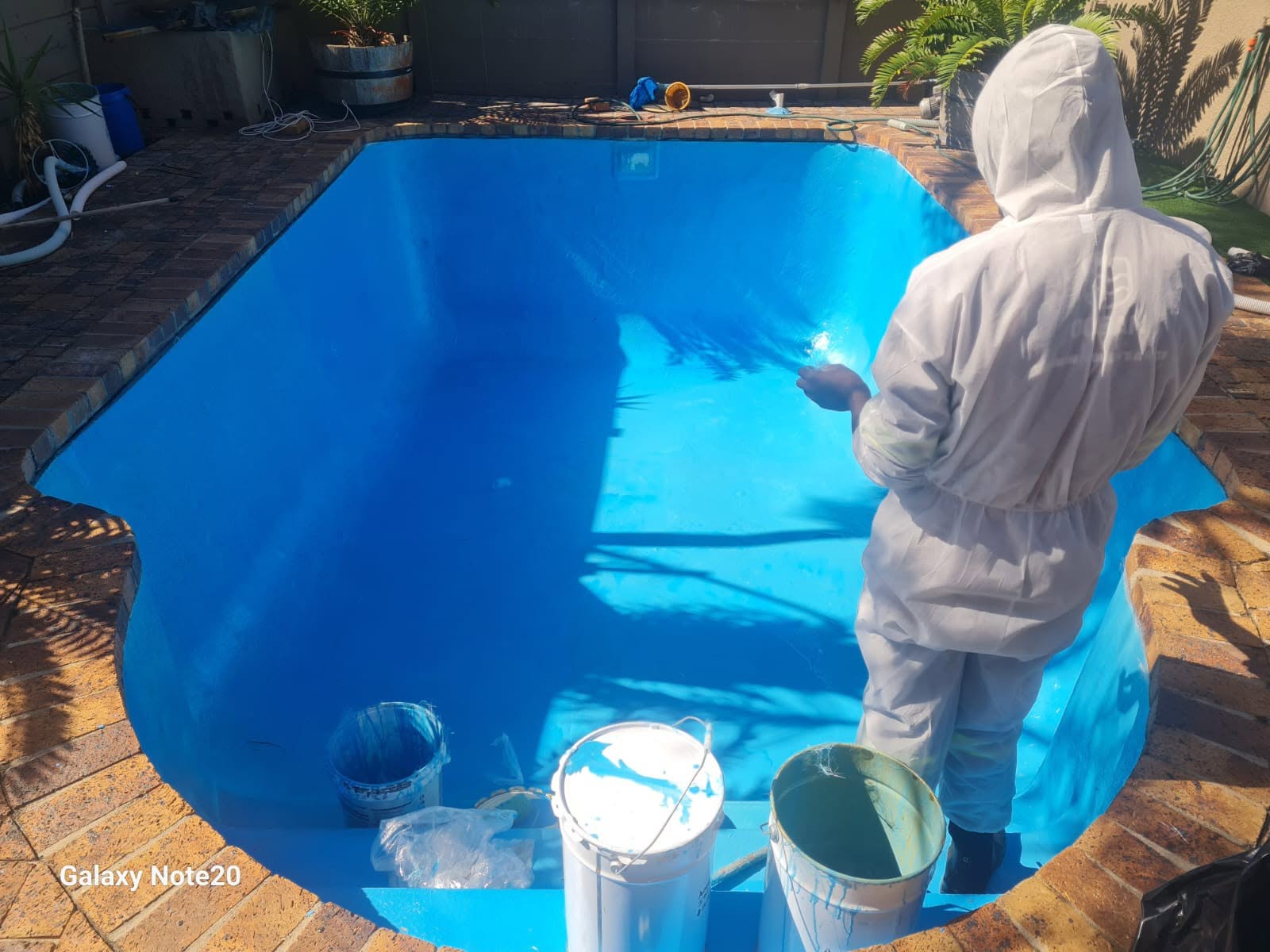
Swimming Pool Relining

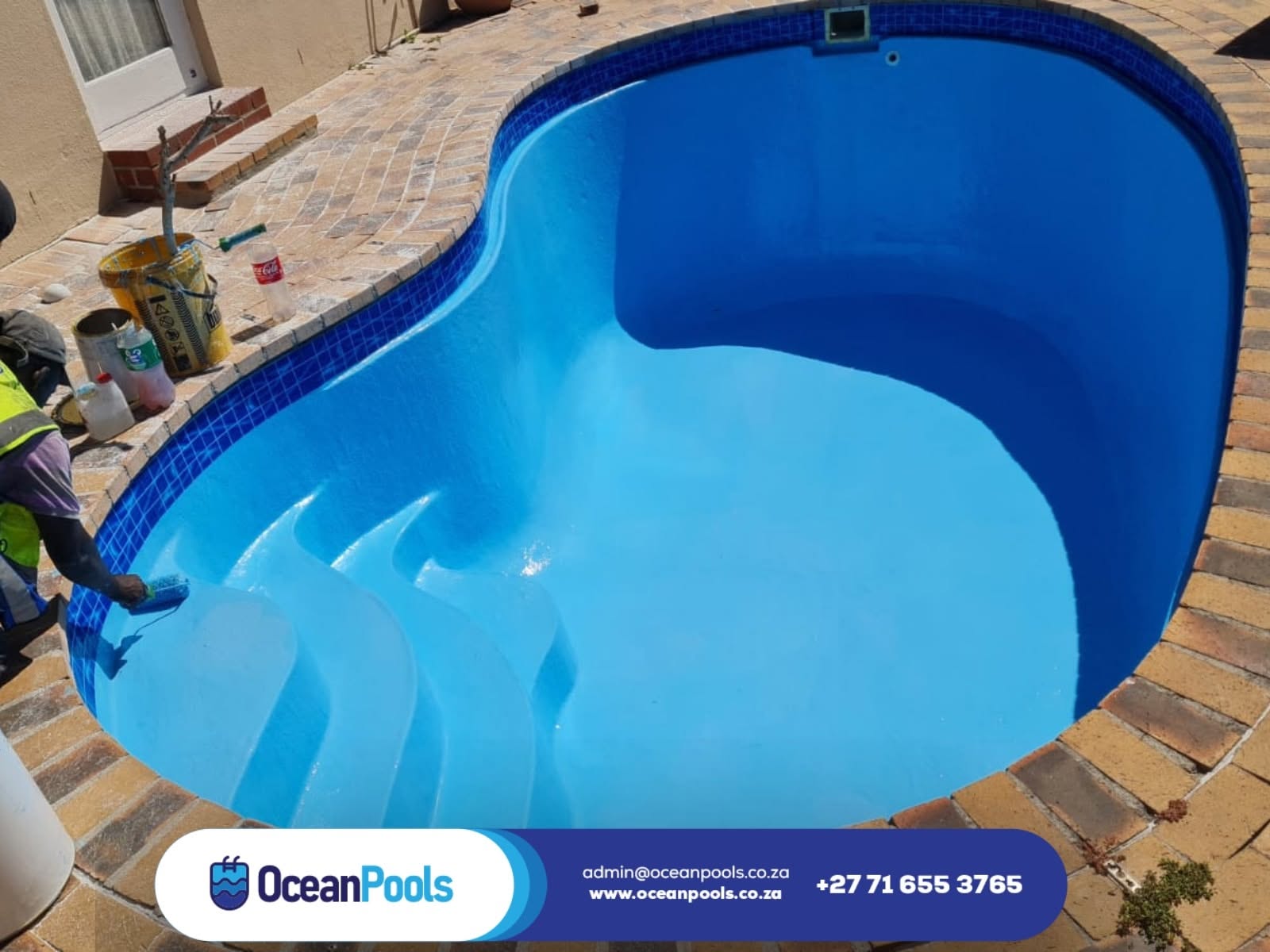
Is your swimming pool looking neglected and in need of a makeover or repair? Over time, pool surfaces can become worn, faded, cracked, or damaged, making your pool lose its beauty and appeal. Our professional swimming pool relining and fibreglass pool relining services are designed to restore and transform your pool with durable new finishes and vibrant mosaics. Whether you are looking into  the average cost to reline a pool or the cost to reline fibreglass pool surfaces, our team provides reliable pool relining services that bring your pool back to life and make it look new again. 

Best Pool Relining Company

Restore your fiberglass pool to like-new condition with our expert pool relining and resurfacing services. We work with both residential and commercial clients, including homeowners, landlords, property managers, hotels, resorts, guesthouses, Airbnbs, and schools.

Free Water Storage - Save Water & Money

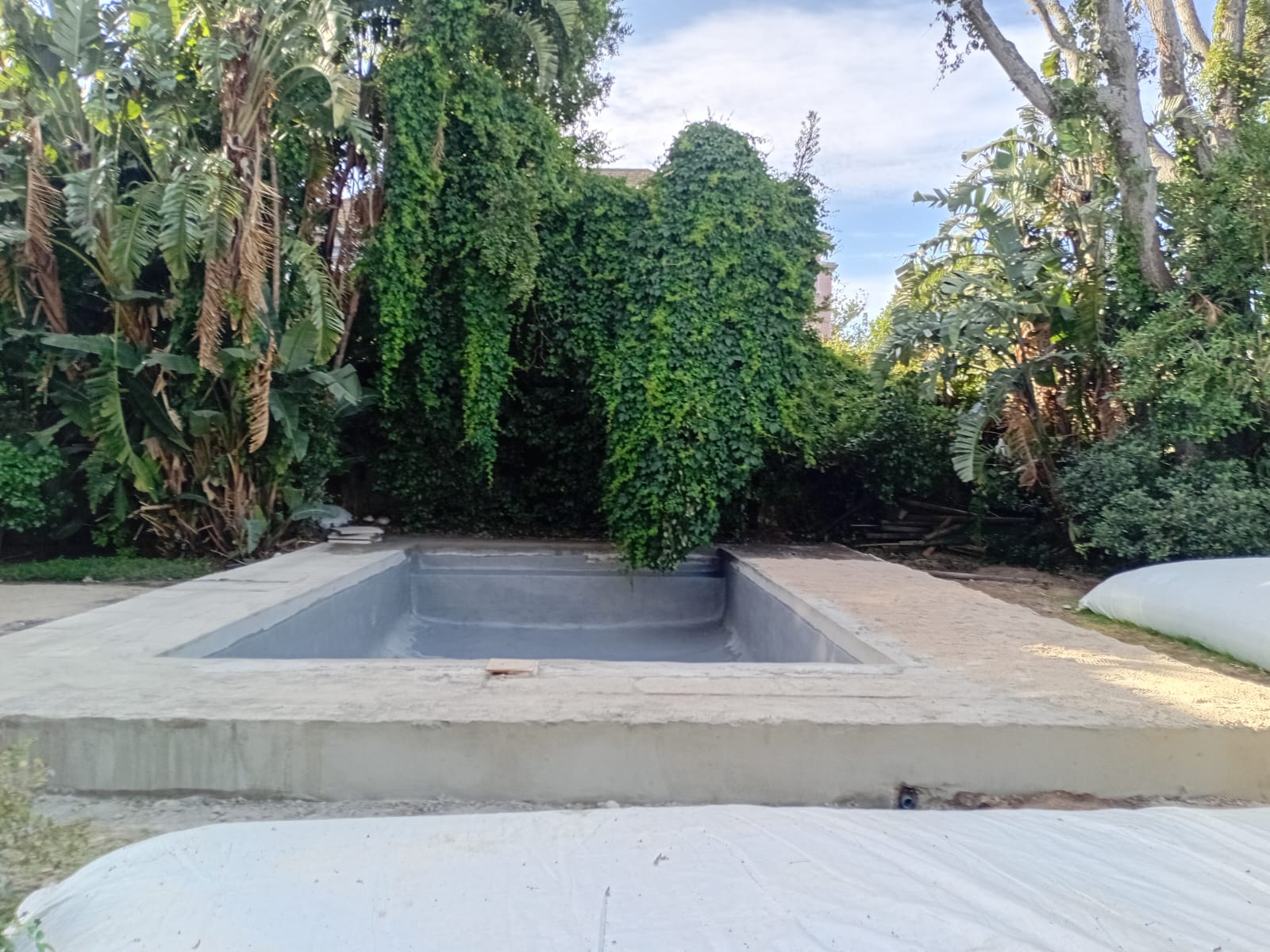
We provide cost-effective, environmentally friendly pool relinig  services by means of preserving and storing your water, whilst repairs or renovations are being carried out on your pool or pond. We will turn up when we say we will – so you’ll never be left waiting around & you’ll always be updated if plans change.

When relining a swimming pool, the usual practice has been to drain the water and refill it from the tap. This wastes a lot of water and money, as it can take thousands of liters every day. Instead of wasting the water, you can store it in a bladder to use again later. By saving water in your pool, you will be surprised at how much of a difference it makes. There’s no need to just throw the water away.

Who We Work With ?

Whether it is a pool installation or construction , a pool renovation, pool leak repair, pool relining, or a pool equipment repair; Ocean Pools delivers reliable pool solutions that last. From homes and estates to resorts and commercial properties, if there is a pool involved, we are the team to call. We turn tired pools into fresh, modern showstoppers and we work with the following people :

Homeowners

Property Managers

Trustee's

Property Developers

Hotels & Resorts

Guesthouses

Educational Institutions

Letting Agents

AirBnBs

Landlords

Cooperates

Real Estate Agents

When To Decide Relining : Common Signs & Problems

Let’s get something clear: nothing lasts forever. Fibreglass pools are known for their durability and low maintenance. Over time, the surface of your pool may become worn or faded, tiles may have loosen, or surfaces may have crack and deteriorated. Overtime might experience the following;

Cracks

Cracks can be a serious issue, cracks can worsen you pool if water filters in or out of crack lines in the gel coating.Cracks are a reality of all types of materials, especially in fibreglass pools. Most of the times, these hairline cracks are hard to see and don't extend past the gel coating. But a poor quality pool might not endure severe wall cracks which may compromise your pool’s structural stability and cause leaks.

Bulging Floor

Sand backfilling and intense rain can lead to problems with the floor. If the sand fully compacts and buildups with water, it will exert tremendous pressure on the inside side of your walls fibreglass and eventually cause the walls to re-shape, cracks or leaks. This is a big issue as the pressure is compromising the structural stability of the pool

Pool Surface Leaks

Sand backfilling can also lead to problems with plumbing. If the sand fails to fully compact around the pipes, it will exert pressure on the connections with the fibreglass and eventually cause pool leaks.

Top Coat Deterioration

Usually, after 10-15 years, age and direct exposure of sun rays result in a colour distorted fibreglass pool. The top coat colour starts fading, leaving behind a white and sometimes flaky pool surface. In extreme cases where the top gel coat is of bad quality, colour distortion may result in gel coat deterioration with the top coat granulating and become chalky which is harmful to humans if inhaled or drank

Black Spot Algae

Black Spot is particularly hard to get rid of when it takes up residence on the walls and floors or embedded in grout between tiles of your pool. Caused by poor chlorination or high phosphate levels. The algae can feed on the phosphates, stimulating its growth. However, Black Spot has been known to survive even when there are low phosphate levels in the pool water.

Gel coat deterioration

Gel coat deterioration happens when your pool shell incurs pressure that exceeds its ability to flex leading to small spider web-like cracks on the gel-coat and the original colour to fade into white. Even improper manufacturing, shipping and installation can leave behind cracks in your fibreglass pool

Chalking

Chalking happens when the gel coat of your pool starts oxidizing. Age and excessive chlorination are a few common causing of chalking of a fibreglass pool. Inhaling or consuming top coat flakes is extremely unhealthy and may cause respiratory and stomach-related problems.

Liner Floating

Usually seen in concrete pools. When old or badly set up the pool liners can lose their seal and separate from the pool base, causing it to float. This is a relatively small problem, however, if left unattended other might arise and repairs might take longer.

Osmosis

Osmosis, popularly known as Fibreglass Cancer or blisters, is one of the worst issues with fibreglass pools. When contaminated water from the outside of the pool (soil area) filters to inside the fibreglass and penetrates into the top-coat, it shows as blisters or bumps on the pool’s surface.Once they reach their limit, these blisters will eventually crack, leaving behind small black/brown marks on the pool surface, bringing bacteria and nasty pollution to the water. Due to the high mineral content in these cracks, algae formation takes place which is called black plague. Once osmosis breaks out in your pool, the water conditions are less than recommended for your family, particularly to your little ones.
Fibreglass Pool Relining: Costs, Pricing Factors & What to Expect

The cheapest quotation may not always be the most affordable option in the long run. Professional fibreglass pool relining is a complete composite surfacing system, not simply a matter of applying fibreglass over an existing pool. The quality of preparation, materials, workmanship and finishing all play a critical role in the durability and performance of the final result. If you're researching fibreglass pool relining costs, you're in the right place. Read on to understand what influences the cost, what should be included in a professional quotation, and how to make an informed decision before investing in your pool.
Swimming Pool SizeFiberglass Relining Price
Small Pools( 3m , 4m , 5m)21 000 ZAR- 35 000 ZAR
Medium Pools ( 6m ,7m, 8m)33 000 ZAR- 49 000 ZAR
Big Pools ( 9m, 10m ,11m)47 000 ZAR - 69 000 ZAR
Large Pools (12m, 13m, 14m)63 000 ZAR - 99 000 ZAR
Extra Large Pools( 15m +)100 000 ZAR+

Key Factors That Influence Fibreglass Pool Relining Costs

The cost of fibreglass pool relining depends on several factors beyond the size of your swimming pool. From the pool's existing condition to the quality of materials and installation process, each element contributes to the overall investment. A professional quotation should clearly outline the preparation process, materials, repairs, application method and warranty. Comparing quotations based on price alone can lead to costly problems later.
Fiberglass Pool Relining Pricing FactorHow It Affects the Cost
Swimming Pool SizeLarger pools require more fibreglass materials, resin and labour.
Swimming Pool ConditionCracks, leaks, delamination and surface damage may require additional repairs.
Surface PreparationGrinding, sanding and removing damaged coatings add to preparation costs.
Fibreglass MaterialsThe quality and quantity of fibreglass matting and resin influence the overall price.
Labour & WorkmanshipSkilled installation ensures proper application, bonding and finishing.
Gelcoat / FinishingThe quality of the final coating and selected colour can affect pricing.
Additional RepairsPipework, fittings, steps and structural repairs may increase the project cost.
Warranty & GuaranteeThe warranty period and coverage offered reflect the contractor's confidence in their materials and workmanship. A professional relining service should provide clear warranty terms for added peace of mind.

Frequently Asked Questions About Fibreglass Pool Relining

Considering fibreglass pool relining in South Africa? Below are answers to common questions about the process, costs, preparation, installation time, durability and warranties. At Ocean Pools Group, we believe homeowners should understand exactly what goes into a professional fibreglass pool renovation before making a decision.

If your pool is looking a little worse for wear, you are not alone. Most pools start to show visible wear and tear within 10 to 15 years, depending on materials and maintenance. Signs that it’s time to consider relining include:

  • Cracks or chips in the pool surface
  • A rough or abrasive feel on the pool walls or floor
  • Discoloration or stubborn stains
  • Water loss that isn’t due to evaporation
  • A vinyl liner that’s faded, brittle, or sagging

Even if your pool is still functional, relining can improve safety, comfort, and appearance, plus prevent more expensive repairs down the line.

Most fibreglass relining projects take approximately 4–7 working days, depending on the pool’s condition, weather conditions and scope of work.


Yes, fibreglass relining can resolve leaks caused by defects in the pool shell or interior surface. However, leaks originating from underground plumbing, fittings or other structural areas must be identified and addressed separately.

Yes. Existing concrete and gunite swimming pools can generally be converted to fibreglass-lined pools, provided the structure is suitable. The pool must first be assessed for structural damage, moisture and surface deterioration.

Not always. The preparation method depends on the existing surface condition. Loose, damaged or unsuitable material must be removed, and the surface properly prepared to ensure the new fibreglass laminate bonds correctly.

Fibreglass offers a smooth, non-porous finish that is generally easier to clean and maintain. Marbelite is a cement-based finish that may require more frequent maintenance. The best option depends on your existing pool structure, budget and desired finish.

Yes, provided the source of the leak is properly identified. Leaks caused by surface deterioration or suitable shell defects may be resolved through relining. Plumbing leaks and damaged fittings require separate repairs.

Yes. The pool needs to be drained to allow proper inspection, preparation and application of the fibreglass system. Draining must be managed carefully, particularly where groundwater or soil pressure could affect the pool structure.nt

Consider the following:

  • Experience with fibreglass pool renovations.

  • Quality of materials and workmanship.

  • Proper surface preparation methods.

  • Clear and detailed quotations.

  • Written warranty conditions.

  • Previous completed projects and customer feedback.

Do not compare contractors on price alone. Compare the actual scope of work, materials, preparation and warranty offered.

In many cases, yes. Relining retains the existing pool structure, which can reduce construction costs and disruption compared with demolishing and rebuilding. However, extensive structural damage may make a new installation more suitable.

Yes. Ocean Pools Group offers a 5-year warranty covering delamination, peeling and structural failure of the fibreglass lining under normal operating and maintenance conditions, subject to the applicable warranty terms and exclusions.

Peeling or delamination can indicate bonding failure, moisture-related problems or incorrect installation. The affected area should be professionally assessed to establish the cause and determine the appropriate repair.