
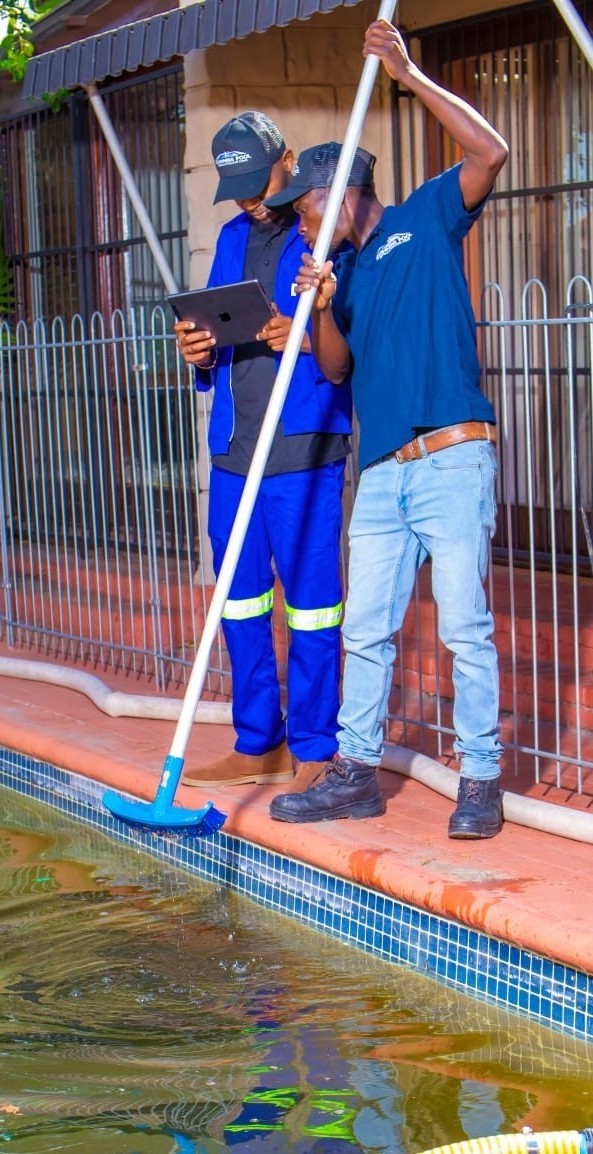
A swimming pool changes the atmosphere of a home completely. It creates a private escape where families relax, entertain guests, enjoy warm summer afternoons, and add long-term value to their property. In many Cape Town homes, fibreglass swimming pools have become the preferred choice because they combine modern aesthetics with practical ownership.
Many homeowners choose fibreglass pools because they require less maintenance than concrete pools. The smooth gel-coated surface resists algae growth, feels comfortable underfoot, and simplifies cleaning. Yet even the best fibreglass pool needs consistent attention to maintain perfect water quality and preserve its appearance.
A neglected pool quickly loses its appeal. Water becomes cloudy, algae begins to spread, equipment performance declines, and maintenance costs rise unexpectedly. On the other hand, a properly maintained fibreglass swimming pool stays crystal clear, energy efficient, hygienic, and visually impressive throughout the year.
Pool care does not need to become overwhelming. Smart routines, preventative maintenance, and proper water management create a low-stress ownership experience that saves money while protecting your investment for many years.
This complete guide explores advanced fibreglass pool maintenance strategies, seasonal pool care methods, energy-saving techniques, and expert insights specifically relevant to South African homeowners.
Why Fibreglass Pools Require Less Maintenance Than Other Pool Types
The Non-Porous Surface Advantage
The biggest advantage of a fibreglass swimming pool lies in its smooth non-porous shell. Concrete pools contain microscopic pores that absorb contaminants, oils, and algae spores. Fibreglass surfaces resist this absorption naturally.
This creates several important advantages:
- Reduced algae growth
- Less chemical usage
- Easier cleaning routines
- Lower long-term maintenance costs
- Improved water circulation
- Better swimmer comfort
Because algae struggles to attach itself to fibreglass surfaces, homeowners spend less time scrubbing walls and balancing chemicals aggressively.
Faster Chemical Stability
Fibreglass pools stabilize chemically faster than many alternative pool types. Concrete surfaces often alter water chemistry because the material continuously interacts with the water. Fibreglass shells remain chemically neutral.
This stability reduces fluctuations in:
- pH levels
- Alkalinity
- Chlorine demand
- Calcium hardness
As a result, pool owners experience fewer maintenance surprises and more predictable water quality management.
Understanding Pool Water Chemistry
Why Water Balance Matters
Balanced water protects swimmers, equipment, and the fibreglass surface simultaneously. Poor chemistry damages pumps, shortens filter lifespan, encourages algae growth, and weakens sanitizer effectiveness.
Many homeowners focus only on chlorine levels while ignoring the full chemistry profile. Proper pool maintenance requires a balanced relationship between multiple factors.
Ideal pH Levels for Fibreglass Pools
The ideal swimming pool pH range stays between 7.2 and 7.6.
When pH drops too low:
- Water becomes acidic
- Eye irritation increases
- Equipment corrosion develops
- Gel coat surfaces may weaken gradually
When pH rises too high:
- Chlorine becomes less effective
- Water turns cloudy
- Scale buildup forms
- Filters clog faster
Regular testing prevents these problems before they escalate.
Maintaining Proper Chlorine Levels
Chlorine sanitizes pool water by eliminating bacteria, contaminants, and organic waste.
Cape Town’s hot summers increase chlorine evaporation significantly due to strong UV exposure. Fibreglass pool owners should monitor sanitizer levels consistently during warmer months.
Stable chlorine levels help:
- Prevent algae growth
- Maintain water clarity
- Eliminate harmful microorganisms
- Improve swimmer safety
Total Alkalinity Stabilizes Water
Total alkalinity acts as a buffer for pH stability.
Ideal alkalinity levels reduce sudden chemical fluctuations and simplify overall maintenance routines.
Low alkalinity creates unstable water conditions that become difficult to control. High alkalinity contributes to cloudy water and scaling issues.
Calcium Hardness in Fibreglass Pools
Fibreglass pools require less calcium than concrete pools, yet calcium hardness still matters.
Very low calcium levels may cause aggressive water conditions that affect equipment. Extremely high calcium contributes to scaling on pool surfaces and inside plumbing systems.
Balanced calcium protects:
- Pool pumps
- Heating systems
- Filters
- Pipework
- Water clarity
Daily Fibreglass Pool Maintenance Habits
Skim Debris Every Day
Leaves, dust, insects, pollen, and organic matter constantly enter outdoor pools.
A quick daily skim prevents debris from sinking and decomposing inside the water.
Cape Town’s coastal winds often carry additional debris into swimming pools. Frequent skimming reduces filtration strain while improving overall water clarity.
Empty Skimmer Baskets Frequently
Blocked skimmer baskets reduce circulation efficiency dramatically.
When baskets overflow:
- Water flow weakens
- Pump strain increases
- Debris bypasses filtration
- Energy consumption rises
Simple basket maintenance improves the entire pool system.
Monitor Water Levels
Water levels directly affect circulation performance.
Low water levels may introduce air into the pump system, causing serious mechanical damage. High water levels reduce skimming effectiveness and circulation efficiency.
The ideal level usually sits halfway up the skimmer opening.
Weekly Fibreglass Pool Cleaning Routine
Brush Pool Walls and Corners
Fibreglass pools need less brushing than plaster pools, but brushing remains essential.
Certain areas collect contaminants more easily:
- Pool steps
- Waterline tiles
- Shaded corners
- Around ladders
- Near returns
Brushing removes early algae formation before it spreads.
Vacuum the Pool Thoroughly
Vacuuming removes settled dirt, sand, and debris from the pool floor.
Cape Town homeowners often deal with wind-blown sand and dust accumulation. Regular vacuuming prevents staining while improving water circulation.
Automatic robotic pool cleaners have become increasingly popular because they:
- Save time
- Reduce manual labor
- Improve cleaning consistency
- Lower maintenance stress
- Reduce filtration pressure
Inspect the Waterline
Oils, sunscreen, body lotions, and dirt accumulate around the waterline.
Regular cleaning prevents stubborn staining and preserves the fibreglass finish.
Gentle pool-safe cleaners work best because abrasive chemicals may damage the gel coat surface over time.
Pool Filtration System Maintenance
Why Filtration Matters
The filtration system acts as the heart of the swimming pool.
Even chemically balanced water appears dirty without proper circulation and filtration.
Effective filtration:
- Removes contaminants
- Prevents cloudy water
- Reduces algae risk
- Improves chemical distribution
- Extends equipment lifespan
Types of Pool Filters
Sand Filters
Sand filters remain popular due to affordability and durability.
They work well for residential fibreglass pools and require periodic backwashing to maintain efficiency.
Cartridge Filters
Cartridge filters provide finer filtration and use less water because they avoid backwashing.
They suit environmentally conscious homeowners who prioritize water conservation.
Diatomaceous Earth Filters
These filters offer exceptional water clarity but require more intensive maintenance.
They typically suit premium residential installations.
Clean Filters Regularly
Dirty filters reduce water flow and increase electricity usage.
A neglected filter forces the pump to work harder, increasing wear and operational costs.
Regular maintenance improves:
- Water clarity
- Energy efficiency
- Equipment lifespan
- Circulation quality
Automated Pool Systems
Modern fibreglass pools increasingly include automation systems that simplify maintenance significantly.
Smart systems allow homeowners to control:
- Pool pumps
- Lighting
- Heating
- Filtration schedules
- Chlorination
- Water features
Many systems connect directly to smartphones for remote management.
Variable-Speed Pool Pumps
Variable-speed pumps consume far less electricity than traditional single-speed systems.
Benefits include:
- Lower monthly utility costs
- Quieter operation
- Improved circulation efficiency
- Longer equipment lifespan
Energy-efficient pumps have become especially important due to rising electricity costs across South Africa.
Automatic Chemical Dosing Systems
Automated dosing systems monitor and adjust water chemistry continuously.
These systems reduce human error while maintaining more stable water quality.
Consistent chemistry protects the fibreglass surface while improving swimmer comfort.
Why Algae Still Appears
Fibreglass surfaces resist algae naturally, yet algae still develops under poor maintenance conditions.
Common causes include:
- Low chlorine levels
- Poor circulation
- Dirty filters
- High phosphate levels
- Inconsistent cleaning
- Warm stagnant water
Early Warning Signs
Early algae indicators include:
- Slippery surfaces
- Dull water appearance
- Green discoloration
- Cloudiness
- Musty odors
Immediate action prevents widespread contamination.
Best Algae Prevention Strategies
The most effective prevention methods include:
- Maintaining sanitizer levels
- Running pumps consistently
- Brushing weekly
- Cleaning filters regularly
- Monitoring circulation zones
Preventative care always costs less than algae recovery treatment.
Avoid Abrasive Cleaning Tools
The gel coat creates the signature smooth finish of fibreglass swimming pools.
Harsh tools may scratch or weaken the surface over time.
Avoid:
- Steel brushes
- Abrasive scrub pads
- Strong acid cleaners
- Sharp metal objects
Soft pool brushes provide safer long-term maintenance.
Prevent Metal Staining
Metal contamination causes stubborn stains in fibreglass pools.
Common sources include:
- Rusted garden furniture
- Metal toys
- Irrigation systems
- Poor-quality water sources
Metal sequestrants help prevent discoloration.
Minimize Chemical Shock Damage
Excessive chemical exposure weakens fibreglass surfaces gradually.
Always dilute chemicals properly and distribute them evenly throughout the pool.
Never pour concentrated chemicals directly against pool walls.
Summer Pool Care
Cape Town summers create heavy pool usage and increased evaporation.
Summer maintenance should include:
- More frequent water testing
- Increased chlorine monitoring
- Daily skimming
- Longer filtration cycles
- Evaporation management
Hot weather accelerates chemical depletion rapidly.
Winter Pool Maintenance
Many homeowners reduce maintenance excessively during winter months.
Cold weather still requires:
- Water circulation
- Debris removal
- Chemical balancing
- Equipment inspection
Neglected winter pools often develop costly problems before summer returns.
Storm Preparation
Strong winds and storms introduce large amounts of organic debris.
Before storms:
- Lower water slightly if heavy rain approaches
- Secure loose objects
- Clean skimmer baskets
- Check drainage systems
After storms:
- Remove debris immediately
- Shock the pool if necessary
- Inspect water chemistry
- Clean filtration systems
Use a High-Quality Pool Cover
Pool covers reduce:
- Evaporation
- Heat loss
- Chemical consumption
- Debris accumulation
Cape Town’s dry summers make evaporation control especially important.
Detect Leaks Early
Small leaks create major water losses over time.
Signs of potential leaks include:
- Constant water level drops
- Wet soil near equipment
- Rising water bills
- Air bubbles in returns
Routine inspections help prevent waste.
Optimize Backwashing
Excessive backwashing wastes thousands of liters of water annually.
Backwash only when filter pressure rises beyond recommended levels.
Run Pumps During Off-Peak Hours
Electricity costs continue rising across South Africa.
Running pumps during off-peak hours helps reduce energy expenses substantially.
Improve Circulation Efficiency
Proper circulation reduces chemical demand while improving filtration performance.
Position return jets strategically to eliminate stagnant zones.
Invest in Solar Heating
Solar heating extends swimming seasons while lowering energy dependence.
Cape Town’s climate provides excellent solar heating potential throughout much of the year.
Cloudy Water
Common causes include:
- Poor filtration
- Chemical imbalance
- Dirty filters
- High contaminant levels
Immediate testing helps identify the exact issue quickly.
Surface Stains
Staining may result from:
- Metals
- Organic debris
- Chemical imbalance
Prompt cleaning prevents permanent discoloration.
Foamy Water
Foam usually develops due to:
- Body oils
- Chemical imbalances
- Low-quality products
- Contaminants
Consistent water maintenance resolves most foam issues naturally.
Encourage Pre-Swim Showers
Showering removes:
- Oils
- Sunscreen
- Sweat
- Cosmetics
Cleaner swimmers reduce chemical demand significantly.
Maintain Proper Sanitization
Safe pool water protects families from harmful bacteria and contaminants.
Consistent sanitizer management remains one of the most important responsibilities of pool ownership.
Store Chemicals Safely
Pool chemicals require cool, dry, ventilated storage away from children and pets.
Never mix chemicals directly.
Long-Term Fibreglass Pool Care Strategy
Schedule Professional Inspections
Even well-maintained pools benefit from periodic professional evaluations.
Experts can identify:
- Hidden leaks
- Equipment wear
- Circulation inefficiencies
- Early surface issues
Preventative inspections reduce long-term repair costs.
Upgrade Older Equipment
Modern pool equipment often delivers major improvements in:
- Energy efficiency
- Automation
- Water conservation
- Filtration quality
Older systems usually consume more electricity and require more maintenance.
Maintain Consistent Maintenance Routines
Consistency matters more than intensity.
Small weekly tasks prevent major problems more effectively than occasional deep cleaning efforts.
The Lifestyle Benefits of a Well-Maintained Fibreglass Pool
A clean swimming pool changes how homeowners use their outdoor spaces.
It creates:
- Better family experiences
- More entertaining opportunities
- Improved property aesthetics
- Enhanced property value
- Healthier outdoor lifestyles
Well-maintained pools also create a more luxurious atmosphere that transforms ordinary backyards into premium outdoor living environments.
For many Cape Town homeowners, the pool becomes the centerpiece of modern outdoor entertainment and relaxation.
Conclusion
Fibreglass swimming pools offer one of the best combinations of beauty, durability, and low-maintenance ownership available today. Their smooth non-porous surfaces simplify cleaning, reduce algae growth, and improve water management compared to many traditional pool types.
Still, every swimming pool requires proper care to remain healthy, efficient, and visually impressive.
Consistent water testing, smart cleaning routines, efficient filtration, preventative maintenance, and modern automation systems all contribute to a better ownership experience. Small habits performed regularly protect the pool surface, improve water quality, lower energy costs, and extend equipment lifespan dramatically.
Cape Town homeowners who invest in proper fibreglass pool maintenance enjoy far more than clean water. They create a luxurious outdoor environment that enhances daily living, increases property appeal, and provides years of relaxation for family and friends.
A crystal-clear swimming pool never happens by accident. It happens through smart maintenance, attention to detail, and a commitment to protecting one of the most valuable features of the modern home.