
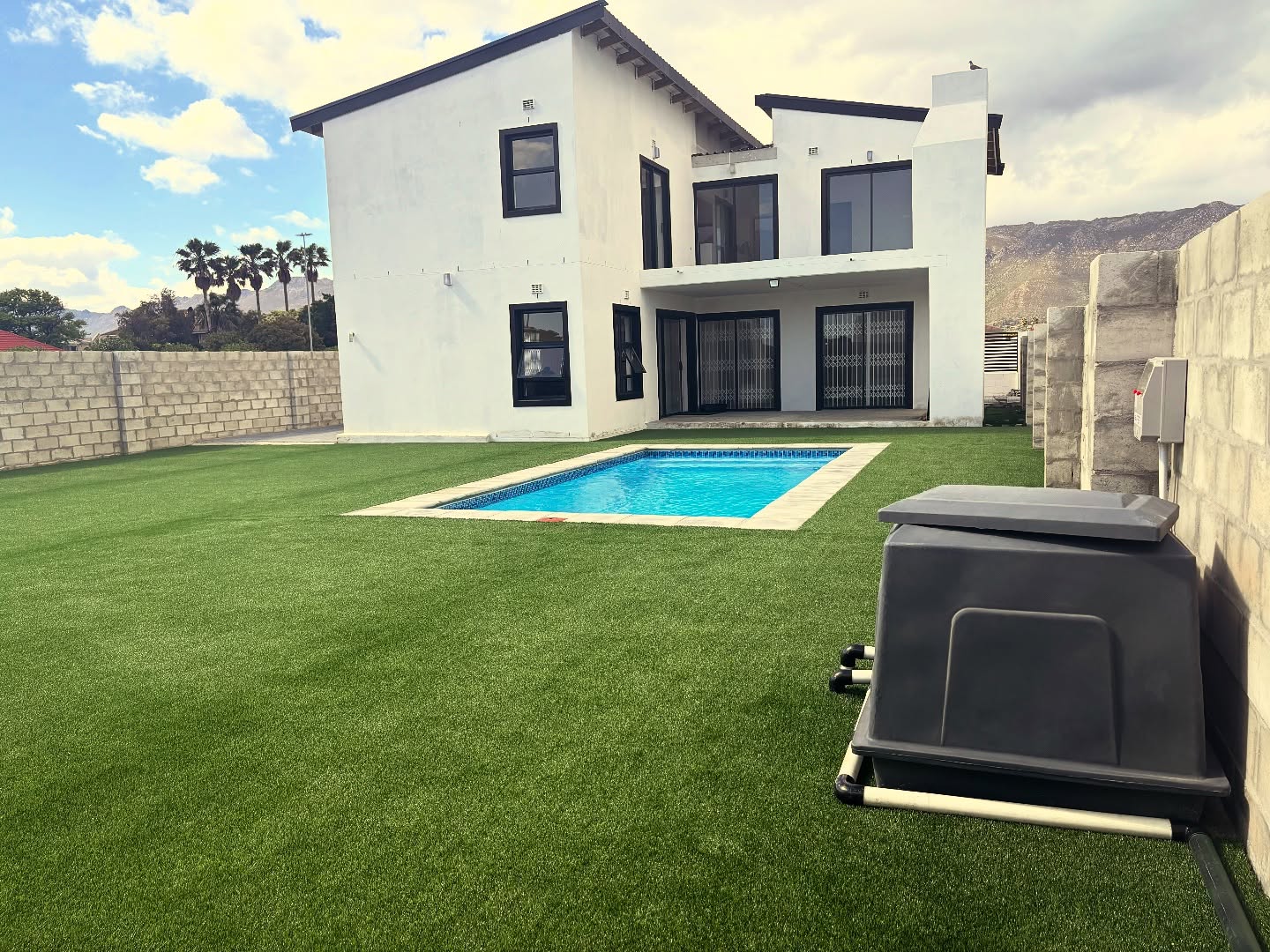
A swimming pool is one of the most valuable lifestyle additions to any home, especially in warm regions like Cape Town where outdoor living forms part of everyday life. Whether it is a compact plunge pool, a family entertainment area, or a luxury outdoor retreat, maintaining proper pool safety and hygiene is essential for protecting swimmers, extending the life of the pool, and creating a clean and enjoyable environment throughout the year.
Pool ownership goes far beyond aesthetics. Clean water, balanced chemicals, proper circulation, and safe surroundings all contribute to a healthier swimming experience. Without consistent maintenance and safety precautions, pools can quickly become breeding grounds for bacteria, algae, slippery surfaces, and avoidable accidents. Understanding best practices allows homeowners to enjoy their pools confidently while reducing long-term repair and maintenance costs.
The Importance of Pool Hygiene
Pool hygiene is critical because water can easily collect contaminants from swimmers, weather conditions, leaves, dust, insects, and surrounding landscaping. Body oils, sunscreen, sweat, and debris continuously affect water quality, especially during busy summer months when pools are used frequently.
Poor hygiene can lead to cloudy water, unpleasant odors, algae growth, and harmful bacteria. In some cases, contaminated pool water may cause skin irritation, ear infections, eye discomfort, or gastrointestinal illnesses. Maintaining clean and chemically balanced water helps prevent these issues while preserving the clarity and freshness of the swimming pool.
A consistent cleaning schedule is the foundation of good pool hygiene. Skimming leaves and debris daily helps reduce strain on filtration systems and prevents organic matter from decomposing in the water. Vacuuming the pool floor and brushing pool walls weekly also prevents algae buildup and staining.
Maintaining Proper Water Chemistry
Balanced pool water is one of the most important aspects of swimming pool maintenance. Water chemistry directly affects swimmer comfort, sanitation, and the lifespan of pool equipment. When chemical levels are not properly maintained, water can become unsafe or corrosive.
Pool owners should regularly test chlorine levels, pH balance, alkalinity, and calcium hardness. Chlorine acts as the primary sanitizer by killing bacteria and microorganisms, while pH levels determine how effectively chlorine works. If pH levels are too high or too low, swimmers may experience eye irritation and skin discomfort, and pool surfaces may become damaged over time.
Maintaining proper circulation is equally important. Pool pumps and filtration systems continuously move water through filters to remove dirt and contaminants. Poor circulation can create stagnant areas where algae and bacteria thrive. Running the filtration system daily ensures water remains clean and evenly treated.
Modern pool automation systems have made water management much easier for homeowners. Smart pool technology can automatically monitor chemical levels, regulate filtration cycles, and notify owners when maintenance is required. These innovations improve efficiency while reducing manual workload.
Preventing Algae Growth
Algae is one of the most common pool hygiene challenges, particularly during hot weather conditions. It can develop rapidly when chlorine levels drop or water circulation becomes inadequate. Green, yellow, or black algae not only make pools unattractive but can also create slippery surfaces that increase the risk of accidents.
Preventing algae requires a proactive approach. Regular brushing, proper filtration, balanced chemicals, and routine shock treatments help eliminate spores before they spread. Pool covers also help reduce debris accumulation and limit sunlight exposure, which contributes to algae growth.
In regions with strong sunlight and warm temperatures, such as Cape Town, pool owners often need more consistent monitoring during summer months to maintain crystal-clear water conditions.
Essential Pool Safety Measures
Pool safety should always be a priority, especially for households with children, pets, or frequent visitors. A swimming pool can be a source of relaxation and entertainment, but without adequate precautions, it may also pose serious risks.
Installing safety barriers is one of the most effective protective measures. Pool fencing with self-closing and self-latching gates helps prevent unsupervised access. Safety covers and pool alarms add another layer of protection by alerting homeowners to unexpected activity around the pool area.
Constant supervision remains essential whenever children are swimming. Even experienced swimmers should never be left unattended near water. Establishing clear pool rules, such as no running, diving restrictions in shallow areas, and no swimming alone, creates a safer environment for everyone.
Non-slip surfaces around the pool reduce the risk of falls and injuries. Wet paving can become extremely slippery, especially during busy pool gatherings. Choosing textured surfaces and maintaining dry walkways helps improve overall safety.
Rescue equipment should always be easily accessible. Items such as life rings, reaching poles, and a well-stocked first aid kit can make a critical difference during emergencies. Homeowners should also consider learning CPR and basic water rescue techniques to improve emergency preparedness.
Encouraging Healthy Swimming Habits
Good swimmer hygiene contributes significantly to cleaner pool water. Showering before entering the pool removes oils, lotions, sweat, and dirt that would otherwise contaminate the water. Encouraging swimmers to avoid entering the pool when ill also helps reduce the spread of bacteria and viruses.
Parents should ensure young children take regular bathroom breaks and use appropriate swim diapers when necessary. These small habits play a major role in maintaining water cleanliness and minimizing contamination risks.
Pool owners hosting gatherings or pool parties should pay extra attention to water quality during and after events. Increased swimmer activity places additional strain on the pool’s sanitation system, making post-event testing and chemical balancing especially important.
Seasonal Pool Maintenance
Seasonal changes can significantly affect pool hygiene and safety. During windy seasons, pools may collect more debris, while heavy rainfall can dilute chemical levels and introduce contaminants into the water.
Regular inspections help identify early signs of wear or equipment issues before they become expensive repairs. Checking pumps, filters, tiles, pool lighting, and plumbing systems ensures everything functions correctly throughout the year.
In colder months, some homeowners reduce pool usage but should still maintain cleaning and filtration schedules. Neglecting pool care during off-seasons can lead to algae infestations and costly restoration work once warmer weather returns.
Creating a Safer and Healthier Outdoor Lifestyle
A clean and safe swimming pool enhances the overall outdoor living experience. Families can relax, entertain guests, and enjoy the benefits of outdoor recreation with greater confidence when proper maintenance routines are in place.
Investing in regular pool care not only protects swimmers but also preserves the visual appeal and value of the property. From balanced water chemistry and algae prevention to safety fencing and responsible swimming habits, every aspect of pool management contributes to a healthier and more enjoyable environment.
As modern pool designs continue evolving across Cape Town and beyond, homeowners are increasingly recognizing the importance of combining luxury outdoor living with responsible maintenance practices. A well-maintained swimming pool is more than a feature in the backyard — it is a long-term investment in comfort, wellness, and family enjoyment.