
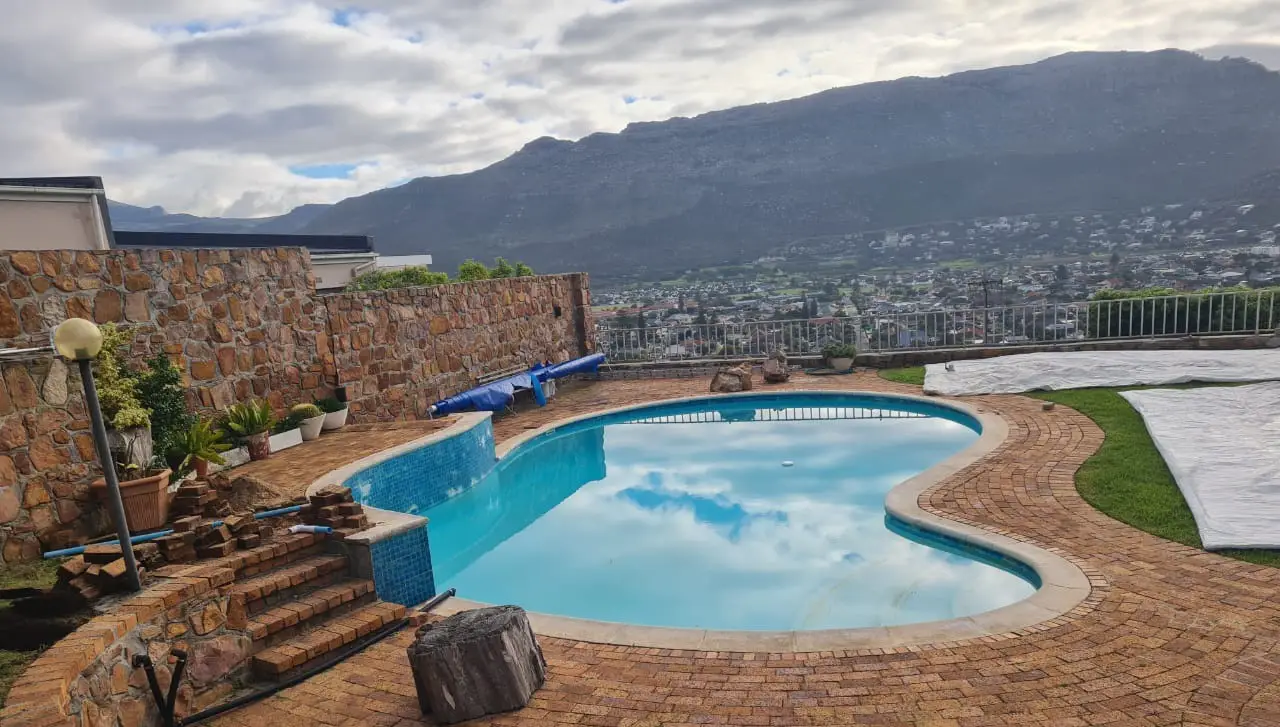
A swimming pool should feel like an asset to your property, not a recurring maintenance problem that consumes time and money every summer. Yet many homeowners across Cape Town are dealing with ageing pools that have developed cracks, rough surfaces, stubborn stains, fading finishes, and persistent leaks. What was once the centrepiece of an outdoor entertainment area gradually becomes an expensive maintenance burden. This is exactly why fibreglass pool relining in Cape Town has become one of the most sought-after pool renovation solutions in recent years.
Rather than demolishing and rebuilding an existing pool, relining allows homeowners to restore the structure while dramatically improving durability and aesthetics. Pool specialists throughout the Western Cape report increasing demand for fibreglass renovations because they offer a balance between longevity, maintenance reduction, and overall value. Industry estimates indicate that fibreglass relining has become one of the most popular renovation options for older marbelite and concrete pools due to its smooth, waterproof finish and long lifespan. Pool renovation specialists in Cape Town commonly recommend fibreglass systems when recurring repairs no longer provide lasting results.
Whether you own a residential swimming pool in Durbanville, Constantia, Bloubergstrand, Somerset West, or elsewhere in the Western Cape, understanding how fibreglass relining works can help you make a smarter renovation decision. Before investing tens of thousands of rand into repairs, it is important to understand the benefits, installation process, expected lifespan, and realistic costs involved.
Why Pool Relining Has Become Popular in Cape Town
Cape Town presents unique environmental challenges for swimming pools. The city experiences intense summer sunlight, strong coastal winds, winter rainfall, and significant temperature fluctuations throughout the year. Over time, these conditions place enormous stress on traditional pool finishes such as marbelite and plaster. Small cracks can gradually develop into larger structural concerns, while constant exposure to UV radiation causes fading, surface deterioration, and increased porosity.
Many older swimming pools across the Western Cape were originally built using marbelite finishes. While marbelite remains a popular surface material, it often requires resurfacing after years of exposure and chemical treatment. Once the surface becomes rough, porous, or cracked, algae growth increases and maintenance costs begin to rise. Homeowners frequently find themselves trapped in a cycle of repeated patch repairs that never fully resolve the underlying issues.
This growing frustration has led many property owners toward fibreglass relining solutions. Instead of continually repairing ageing surfaces, a fibreglass lining effectively creates a new waterproof shell inside the existing structure. Pool renovation companies across Cape Town report that fibreglass renovations are increasingly chosen for their longer-lasting results and reduced ongoing maintenance requirements. Many homeowners see it as the equivalent of replacing an ageing roof rather than patching leaks every rainy season. The upfront investment is larger, but the long-term savings often justify the decision.
What Is Fibreglass Pool Relining?
At its core, fibreglass pool relining is a resurfacing and waterproofing process that involves applying reinforced fibreglass layers over an existing swimming pool shell. The existing pool structure remains in place, but the interior surface is transformed using specialised fibreglass materials and protective gelcoat finishes. The process begins by removing or preparing the old surface. Any structural weaknesses, cracks, or damaged areas are repaired before the fibreglass system is installed. Multiple layers of fibreglass matting are then laminated onto the pool interior using resin systems designed to create a strong bond with the existing shell. Once cured, a protective gelcoat finish is applied to provide colour, UV resistance, waterproofing, and a smooth swimming surface.
Think of the fibreglass lining as a protective jacket wrapped around the interior of your pool. Instead of relying on ageing concrete or marbelite to remain watertight, the fibreglass layer becomes the primary waterproof barrier. This significantly reduces the risk of leaks while improving resistance to stains, algae growth, and chemical damage. Compared to traditional plaster and marbelite finishes, fibreglass surfaces are non-porous. This characteristic plays a major role in reducing maintenance demands. Because algae and bacteria struggle to attach themselves to smooth non-porous surfaces, pool cleaning becomes easier and chemical consumption often decreases. Pool specialists frequently highlight these advantages as major reasons homeowners choose fibreglass over alternative resurfacing methods.
Signs Your Pool Needs Relining
One of the most common mistakes homeowners make is waiting too long before addressing pool surface deterioration. Small cosmetic problems often evolve into expensive structural repairs when ignored. Understanding the warning signs can help identify the right time to consider relining. A rough pool surface is often the earliest indicator. If the walls or floor feel abrasive underfoot or begin causing minor scrapes, the existing finish is likely deteriorating. Fading colours, visible staining, blistering, and surface pitting also indicate that the protective layer has reached the end of its useful lifespan. While some cosmetic issues may appear minor initially, they often signal deeper surface degradation beneath the visible layer.
Water loss is another major warning sign. A leaking swimming pool can waste thousands of litres of water every month while increasing municipal costs. In Cape Town, where water conservation remains an important consideration, ongoing leaks can become particularly expensive. Fibreglass relining is frequently recommended for pools experiencing recurring leak issues because the new lining creates a continuous waterproof barrier across the entire interior shell. Cracks are equally important to address. Hairline cracks may appear harmless, but they often indicate structural movement or ageing materials. If left untreated, these cracks can expand and compromise the pool’s waterproof integrity. Property owners who notice increasing repair frequency, rising chemical usage, or recurring leak problems should strongly consider a professional assessment before the damage worsens.
Key Benefits of Fibreglass Pool Relining
The growing popularity of fibreglass pool renovations is driven by several practical advantages that extend beyond aesthetics. While a newly relined pool certainly looks modern and attractive, the real value lies in its performance over time. Durability remains one of the strongest selling points. Industry specialists frequently report lifespans of twenty years or longer when fibreglass systems are properly installed and maintained. Unlike traditional plaster finishes that can chip, crack, or erode relatively quickly, fibreglass offers exceptional resilience against environmental stress and chemical exposure. This long-term reliability significantly reduces future renovation requirements.
Maintenance savings represent another major advantage. Because fibreglass surfaces are smooth and non-porous, algae growth becomes less aggressive. Pool owners typically spend less time scrubbing walls and fewer resources correcting water quality problems. Reduced chemical consumption can create noticeable savings over several years, particularly for larger residential and commercial pools. Comfort is another often-overlooked benefit. Older marbelite surfaces can become rough and abrasive over time. Fibreglass provides a smooth finish that feels noticeably better underfoot and is gentler on skin and swimwear. Families with children often appreciate this improvement immediately after renovation.
The waterproofing capabilities are equally valuable. Fibreglass systems are designed to seal minor structural imperfections while creating a continuous protective barrier. This helps reduce water loss and improves long-term structural protection. In a city where water efficiency remains a priority, reducing leakage contributes to both environmental responsibility and lower utility costs.
The Fibreglass Pool Relining Process
Understanding the installation process helps homeowners evaluate contractor proposals and set realistic expectations regarding project timelines. While each project varies depending on pool condition and size, most fibreglass renovations follow a similar sequence. The process begins with a comprehensive inspection. Contractors assess structural integrity, identify cracks, evaluate surface deterioration, and determine whether underlying repairs are required. This stage is critical because fibreglass should never be used to hide unresolved structural problems. Any weaknesses must be addressed before installation proceeds.
Once the assessment is complete, the pool is drained and prepared. Existing coatings, loose materials, and damaged sections are removed through grinding and surface preparation. Cracks, weak areas, and structural defects are repaired to ensure a stable foundation for the new lining. Surface preparation often determines the long-term success of the entire project because the fibreglass system relies on proper bonding. The fibreglass application stage follows. Multiple layers of fibreglass matting and resin are laminated across the pool interior to create a strong reinforced shell. After curing, a specialised gelcoat finish is applied. This final layer provides colour, UV protection, waterproofing, and the smooth finish homeowners expect.
| Stage | Description |
|---|---|
| Inspection | Structural assessment and leak evaluation |
| Draining | Complete removal of pool water |
| Surface Preparation | Grinding, cleaning, crack repairs |
| Fibreglass Installation | Layering fibreglass matting and resin |
| Gelcoat Application | Colour and protective finish |
| Refilling & Testing | Water balancing and system checks |
Most residential projects are completed within one to two weeks, depending on weather conditions and repair requirements. Cape Town contractors frequently note that curing times and winter rainfall can occasionally extend project schedules.
How Long Does Fibreglass Pool Relining Last?
One of the most important questions homeowners ask is whether the investment will genuinely provide long-term value. The answer depends largely on installation quality, water chemistry management, and environmental exposure. When professionally installed and maintained correctly, fibreglass linings often provide service lives exceeding twenty years. Some pool owners report even longer performance before significant resurfacing becomes necessary. The durability of fibreglass comes from its resistance to moisture penetration, chemical degradation, and algae growth. Unlike porous materials that absorb water and gradually deteriorate, fibreglass acts as a sealed barrier. This reduces the likelihood of recurring surface failures and helps preserve the structural integrity of the pool shell beneath.
Regular maintenance still matters. Poor water chemistry can shorten the lifespan of any pool finish, including fibreglass. Excessively high chlorine levels, imbalanced pH, and neglected filtration systems can gradually damage gelcoat surfaces. Fortunately, maintaining proper chemistry is usually simpler because fibreglass surfaces require less intensive cleaning and treatment. For property owners evaluating renovation options, lifespan should be viewed alongside maintenance costs. A cheaper resurfacing method may appear attractive initially, but frequent repairs and earlier replacement requirements can increase total ownership costs significantly over time. This is one reason fibreglass relining continues to gain popularity among Cape Town homeowners seeking long-term value rather than short-term savings.
Fibreglass Pool Relining Costs in Cape Town
Pricing remains one of the most researched aspects of pool renovations. While costs vary considerably, current Cape Town market estimates provide useful planning benchmarks.
Recent industry pricing suggests fibreglass relining typically ranges between approximately R600 and R850 per square metre, depending on pool condition and project complexity. Some renovation specialists estimate complete residential projects commonly fall between R70,000 and R120,000 or more, while smaller pools may be completed for less. Certain providers also advertise entry-level fibreglass relining projects starting from around R28,000, although extensive repairs can increase costs substantially.
| Pool Type | Estimated Cost Range |
|---|---|
| Small Pool | R28,000 – R60,000 |
| Medium Pool | R60,000 – R90,000 |
| Large Pool | R90,000 – R120,000+ |
| Premium Renovations | R120,000 – R180,000+ |
Several variables influence pricing. Pool size naturally affects material and labour requirements. Structural repairs, crack remediation, accessibility constraints, drainage complexity, and finish selection can all impact the final quotation. Custom colours, upgraded plumbing, and additional renovation work will further increase project costs. Homeowners should be cautious when comparing quotations solely on price. Extremely low quotes often exclude structural repairs, preparation work, or premium materials. Since surface preparation largely determines the durability of the finished installation, selecting a reputable contractor with proven experience is generally more important than securing the cheapest quote available.
Choosing the Right Pool Relining Contractor
Selecting the right contractor can make the difference between a renovation that lasts decades and one that develops problems within a few years. Fibreglass relining requires specialised skills, and not every pool company possesses the same level of expertise.
Start by evaluating project portfolios. Experienced contractors should be able to provide before-and-after examples, references, and detailed explanations of their installation process. Ask specifically about structural repair procedures, material specifications, and warranty coverage. A reputable contractor will usually inspect the pool thoroughly before providing a final quotation. Understanding local experience is equally valuable. Cape Town’s environmental conditions create unique challenges related to moisture, UV exposure, and seasonal weather patterns. Contractors familiar with local construction practices and pool conditions often provide more accurate recommendations. Several established Cape Town pool renovation companies specifically highlight their expertise in handling ageing marbelite pools, structural movement issues, and coastal environmental conditions.
It is also worth discussing project timelines and water management strategies. Some contractors utilise water storage systems during renovations to reduce water waste. Given ongoing sustainability concerns in the Western Cape, this can be a meaningful advantage. Clear communication regarding timelines, curing periods, and post-installation maintenance expectations will help prevent misunderstandings and ensure a smoother renovation experience.
Conclusion
Fibreglass pool relining has emerged as one of the most effective solutions for ageing swimming pools across Cape Town. Rather than repeatedly patching leaks, repairing rough surfaces, and managing deteriorating finishes, homeowners can transform existing pools into modern, durable, low-maintenance assets that enhance both lifestyle and property value.
The benefits extend well beyond appearance. Improved waterproofing, reduced algae growth, enhanced comfort, lower maintenance requirements, and long-term durability make fibreglass an attractive investment for many residential and commercial properties. While costs vary depending on size and condition, the ability to extend a pool’s lifespan for decades often provides compelling value compared to ongoing repair cycles.
For Cape Town property owners facing recurring pool maintenance challenges, fibreglass relining represents more than a cosmetic upgrade. This structural and operational improvement will reduce future headaches and deliver a cleaner, more enjoyable swimming experience for years to come.