

Swimming pool leaks are one of the most common and costly problems homeowners face. What begins as a small, almost invisible water loss can eventually develop into major structural damage, rising water bills, soil erosion, equipment failure, and expensive repairs. Many pool owners only notice a leak once the problem has already become severe, but early detection can save thousands in maintenance costs and protect the long-term condition of the swimming pool.
In warmer regions like Cape Town, where pools are frequently used throughout the year, early leak detection is especially important. Constant water circulation, changing temperatures, ground movement, and aging infrastructure can all contribute to gradual leaks over time. Understanding the warning signs and knowing how to identify potential issues early can help homeowners take action before the damage escalates.
Understanding Why Swimming Pool Leaks Happen
Swimming pools are complex systems made up of plumbing lines, pumps, filtration equipment, waterproof surfaces, structural shells, and fittings that all work together under continuous water pressure. Over time, wear and tear can affect any part of the system.
Leaks may develop due to cracked pool shells, damaged pipework, loose fittings, deteriorating seals, shifting ground conditions, or faulty equipment connections. Environmental factors such as heat expansion, soil movement, and tree roots can also place stress on underground plumbing systems. Even small leaks should never be ignored because water escaping beneath the pool can gradually weaken surrounding soil, destabilize paving, and create hidden structural issues beneath the surface.
The Difference Between Evaporation and a Leak
One of the biggest challenges for homeowners is determining whether water loss is caused by normal evaporation or an actual leak. In hot and windy conditions, swimming pools naturally lose water through evaporation, especially during summer months.
However, excessive or consistent water loss may indicate a hidden problem. Most swimming pools lose a small amount of water daily due to evaporation, but if the pool level drops noticeably faster than usual, it may be time to investigate further. Factors such as high temperatures, strong winds, heated pools, and frequent use can increase evaporation rates. The key difference is consistency. A leak often causes ongoing water loss regardless of weather conditions.
Signs Your Swimming Pool May Have a Leak
One of the earliest warning signs of a pool leak is the need to refill the pool more often than normal. If homeowners constantly add water to maintain proper levels, there is a strong possibility that water is escaping somewhere within the system. Wet or unusually soft areas around the pool can also indicate underground leakage. Water escaping from damaged pipes or structural cracks often saturates surrounding soil, creating muddy patches or sinking paving areas.

Air bubbles in the return jets may suggest that air is entering the plumbing system through damaged pipes or loose connections. Homeowners may also notice reduced water circulation, fluctuating chemical levels, or algae growth caused by unstable water balance resulting from continuous water loss.
Cracks in the pool shell, loose tiles, or separating coping stones can also signal underlying movement caused by water erosion beneath the structure.
Performing a Simple Bucket Test
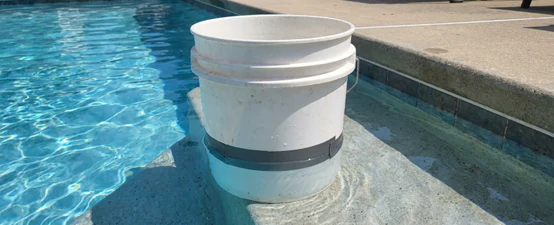
One of the easiest ways to determine whether a swimming pool has a leak is by performing a bucket test. This simple method helps compare normal evaporation against actual water loss. The process involves placing a bucket filled with pool water on a pool step while marking both the water level inside the bucket and the pool water level outside the bucket. After 24 hours, homeowners compare the levels. If the pool water level drops significantly more than the water inside the bucket, a leak is likely present.


This basic test can help identify abnormal water loss early before more serious damage occurs.
Common Areas Where Pool Leaks Occur
Leaks can develop in multiple areas of a swimming pool system. Plumbing lines are among the most common sources because underground pipes remain under constant pressure. Over time, joints, fittings, or pipes may crack due to movement or aging materials. Skimmers, lights, return jets, and pool fittings are also common leak points because these components penetrate the pool shell and rely on waterproof seals that can deteriorate over time.

Structural cracks in concrete or fibreglass pools may allow water to escape slowly into surrounding soil. In some cases, leaks occur within filtration equipment, pump seals, or multiport valves, causing water loss around the equipment area rather than directly from the pool shell itself. Professional leak detection specialists often use pressure testing equipment, sonar devices, dye testing, and electronic detection methods to locate hidden leaks accurately.
Why Early Leak Detection Matters
Ignoring a swimming pool leak can lead to severe long-term consequences. Water escaping beneath the pool structure may erode soil, weaken foundations, and create underground voids that eventually cause structural movement. Leaks also increase utility costs because homeowners continuously refill the pool while adding extra chemicals to maintain proper water balance. Constant water loss places additional strain on pumps and filtration systems, reducing their lifespan and increasing maintenance requirements. In severe cases, undetected leaks can damage nearby landscaping, patios, retaining walls, and even home foundations if water spreads beneath surrounding structures.

Addressing leaks early prevents minor issues from becoming major reconstruction projects that require extensive excavation and repairs.
Preventing Swimming Pool Leaks
Regular pool inspections are one of the best ways to prevent serious leak problems. Homeowners should routinely check water levels, inspect equipment connections, monitor paving conditions, and examine visible cracks or loose fittings around the pool. Maintaining balanced water chemistry is also important because highly corrosive or unbalanced water can damage surfaces, seals, and plumbing components over time. Proper maintenance helps extend the lifespan of the pool’s structural and mechanical systems. Professional servicing can identify hidden issues before they worsen. Experienced pool technicians can perform pressure testing, inspect plumbing systems, and assess structural conditions to ensure everything remains in good working order. Investing in preventative maintenance often costs far less than emergency repairs caused by long-term water damage.
When to Call a Professional
While basic leak tests can help homeowners identify potential problems, some leaks require specialized equipment and expertise to locate accurately. If water loss continues despite basic troubleshooting, professional leak detection services should be contacted immediately.
Professionals can pinpoint leaks without unnecessary excavation, reducing repair costs and minimizing disruption to the surrounding landscape. Early professional intervention can prevent extensive structural damage while restoring the pool system efficiently. Pools with recurring leaks, unexplained water loss, or visible structural movement should never be ignored because delayed repairs often become significantly more expensive over time.
Conclusion
Swimming pool leaks rarely fix themselves. Small leaks gradually worsen, causing structural problems, rising maintenance costs, and unnecessary water waste if left untreated. Early detection is the key to protecting both the swimming pool and the surrounding property. By monitoring water levels, inspecting equipment regularly, and responding quickly to warning signs, homeowners can prevent serious damage before it develops. A well-maintained swimming pool should provide years of enjoyment, and proactive leak detection plays a major role in preserving the beauty, safety, and performance of the entire outdoor space.