
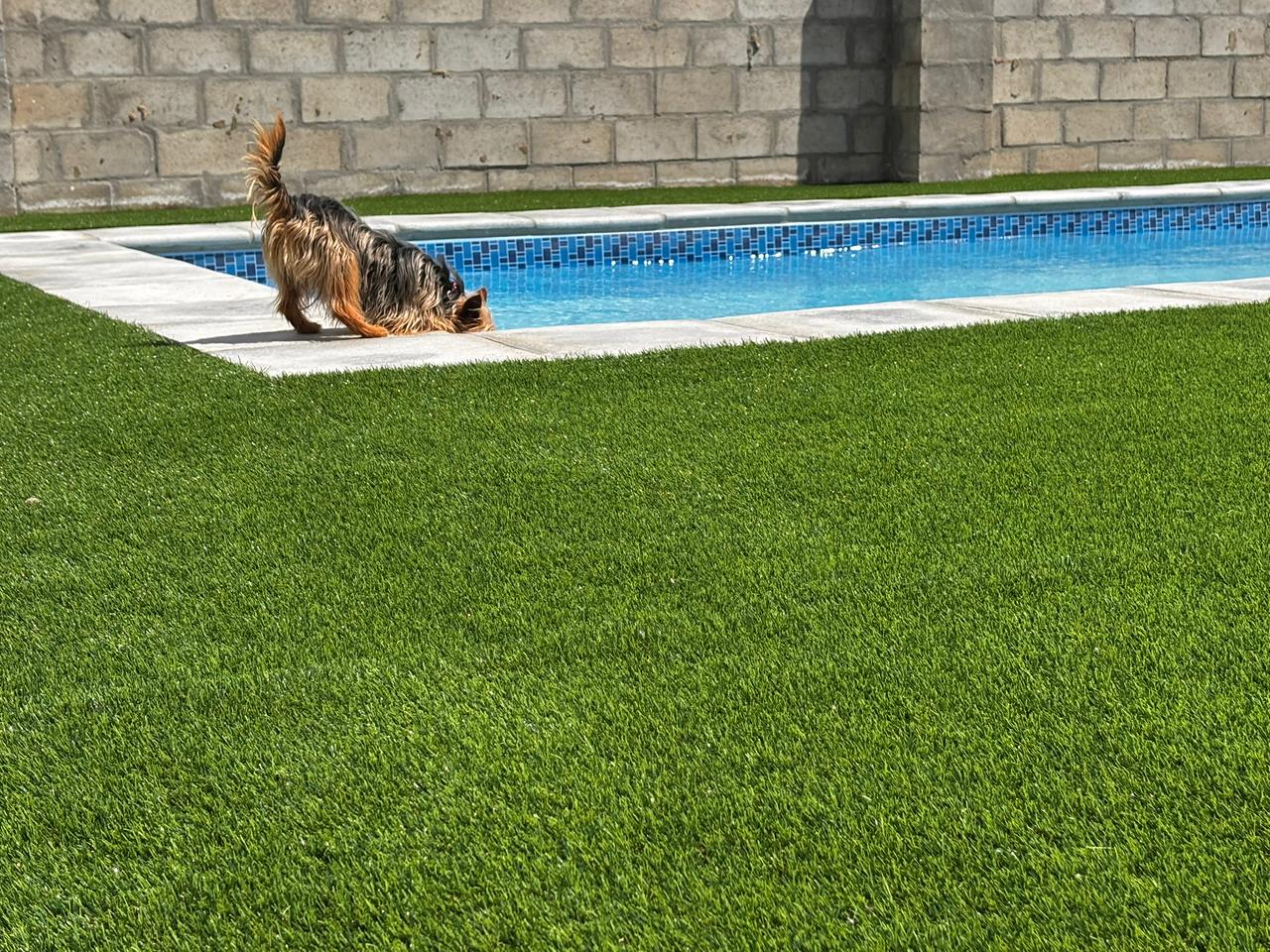
Building a swimming pool is one of the most exciting upgrades a homeowner can make to a property. A professionally designed pool transforms an outdoor area into a space for relaxation, entertainment, exercise, and family living. In regions like Cape Town, where outdoor lifestyles and warm summers are part of everyday life, swimming pools have become a major feature in modern home design. However, many homeowners rush into pool construction without fully understanding the process, leading to expensive mistakes that affect durability, functionality, appearance, and long-term maintenance.
A swimming pool is a major structural investment. Poor planning or choosing the wrong contractor can result in ongoing repair costs, delays, drainage problems, cracking, plumbing failures, and safety concerns. Understanding the most common swimming pool construction mistakes can help homeowners make smarter decisions and avoid unnecessary stress during the project.
Choosing Price Over Quality
One of the biggest mistakes homeowners make is selecting the cheapest quote instead of focusing on quality workmanship and experience. While every homeowner wants to save money, extremely low construction prices often come with hidden compromises. Some contractors cut costs by using inferior materials, inexperienced labor, weak structural engineering, or rushed installation methods.
Swimming pool construction requires technical precision. Excavation, plumbing, electrical systems, reinforcement, waterproofing, and finishing all need professional execution. Poor workmanship may not show immediately, but problems often appear months later through leaks, shell movement, surface cracks, uneven paving, or pump failures.
A reputable pool builder provides transparent pricing, clear timelines, proper warranties, and a detailed construction process. Investing in experienced professionals usually saves homeowners far more money in the long term because the pool is built correctly from the beginning.
Ignoring Soil and Ground Conditions
Every property has different ground conditions, and failing to assess the soil before construction can create serious structural problems. Certain soil types expand and contract due to moisture changes, which can place pressure on the pool shell over time. In some areas, underground water tables can also affect stability and drainage.
Professional pool construction companies normally evaluate the site before excavation begins. This assessment helps determine the correct reinforcement, foundation preparation, and drainage systems needed for the pool. Homeowners who skip this step may eventually experience shifting, cracking, or water damage around the pool area.
In coastal environments and sloped properties commonly found around Cape Town, understanding terrain conditions becomes even more important because improper engineering can lead to long-term structural instability.
Poor Pool Placement
Pool positioning has a major impact on usability, maintenance, and overall property aesthetics. Many homeowners focus only on available space without considering sunlight, wind exposure, drainage, privacy, and accessibility.
A poorly positioned pool may remain cold because it receives limited sunlight during the day. Strong wind exposure can increase evaporation, reduce water temperature, and introduce leaves and debris into the pool constantly. Incorrect placement may also create drainage issues during heavy rain, allowing water to flow toward the house or pool structure.
Good pool design should complement the architecture of the property while creating functional outdoor flow between entertainment areas, patios, gardens, and indoor spaces. Experienced pool designers consider how the pool integrates with the entire landscape rather than treating it as a separate feature.
Underestimating Maintenance Requirements
Many homeowners become focused on the visual appeal of a swimming pool and overlook the long-term maintenance responsibilities that come with ownership. The size, shape, depth, and finish of a pool all influence cleaning requirements, energy usage, and maintenance costs.
Complex pool shapes with excessive corners or decorative features may look attractive but can create circulation issues that make cleaning more difficult. Poor plumbing layouts or undersized filtration systems can also lead to algae growth and water quality problems.
Modern pool construction should prioritize efficiency alongside appearance. Energy-efficient pumps, proper filtration, automated cleaning systems, and quality plumbing help reduce long-term operating costs while improving water circulation and hygiene.
Using Low-Quality Materials
Swimming pools are constantly exposed to water, chemicals, sunlight, and changing weather conditions. Low-quality materials deteriorate quickly under these conditions, resulting in fading, cracking, leaks, and surface damage.
Some contractors reduce costs by using weak paving materials, poor waterproofing products, cheap plumbing pipes, or low-grade finishes. These shortcuts eventually lead to repairs that could have been avoided with better construction standards.
High-quality finishes not only improve durability but also enhance the visual appeal of the pool area. Premium coping, paving, lighting, and interior finishes contribute to the overall luxury and value of the outdoor space. Homeowners should always prioritize materials designed specifically for swimming pool environments.
Overlooking Safety Features
Safety should never be treated as an afterthought during pool construction. Families with children, pets, or elderly residents need carefully planned safety measures integrated into the design from the beginning.
Inadequate fencing, slippery surfaces, poor lighting, or unsafe pool access points can increase the risk of accidents. Modern pool construction should include non-slip paving, secure barriers, proper depth markers, and well-designed entry areas that improve both safety and accessibility.
Lighting is another commonly overlooked feature. Poorly illuminated pool areas reduce visibility at night and limit the functionality of the entertainment space. Strategic lighting design enhances safety while also creating a more luxurious atmosphere.
Failing to Plan for Future Upgrades
A swimming pool should be viewed as part of a long-term outdoor living investment. Many homeowners focus only on immediate construction without considering future landscaping, entertainment areas, heating systems, or water features.
Proper planning allows homeowners to integrate future additions more easily and cost-effectively. Installing conduits, plumbing access points, or electrical infrastructure during the initial build can prevent expensive modifications later.
Outdoor living trends continue evolving, especially in premium residential markets where pools are now integrated with fire pits, pergolas, outdoor kitchens, and modern entertainment spaces. Thinking ahead during construction helps homeowners create a more adaptable and valuable property over time.
Neglecting Proper Drainage
Drainage is one of the most important yet overlooked aspects of pool construction. Poor drainage can damage paving, weaken foundations, create muddy landscaping, and place pressure on the pool shell itself.
Heavy rainfall and water runoff must be directed away from both the pool and surrounding structures. Without proper drainage systems, standing water can erode surfaces and reduce the lifespan of the entire outdoor area.
Professional contractors carefully design drainage slopes, channels, and water management systems to protect the pool environment throughout the year. This becomes especially important in areas with seasonal storms or sloped landscapes.
Rushing the Construction Process
Many homeowners want their pools completed as quickly as possible, especially before summer or holiday seasons. However, rushing construction often leads to mistakes that affect structural integrity and finish quality.
Concrete curing, waterproofing, plumbing pressure testing, and surface installations all require proper timeframes. Skipping or shortening these stages can compromise the pool’s durability and performance.
Quality pool construction is a process that requires careful coordination between excavation teams, builders, electricians, plumbers, tilers, and finishing specialists. Homeowners who prioritize speed over quality often end up paying more for repairs and corrections later.
Conclusion
Building a swimming pool is a major investment that should improve both lifestyle and property value for many years. Avoiding common construction mistakes begins with careful planning, choosing experienced professionals, and understanding the long-term requirements of pool ownership.
The most successful swimming pool projects combine structural quality, efficient engineering, functional design, and premium aesthetics. Homeowners who take the time to plan correctly from the beginning are far more likely to enjoy a durable, beautiful, and low-maintenance swimming pool that enhances their entire outdoor living experience.
Whether constructing a compact backyard pool or a luxury entertainment feature, attention to detail during every stage of construction makes the difference between a short-term project and a lasting investment.