
Expect Opinion
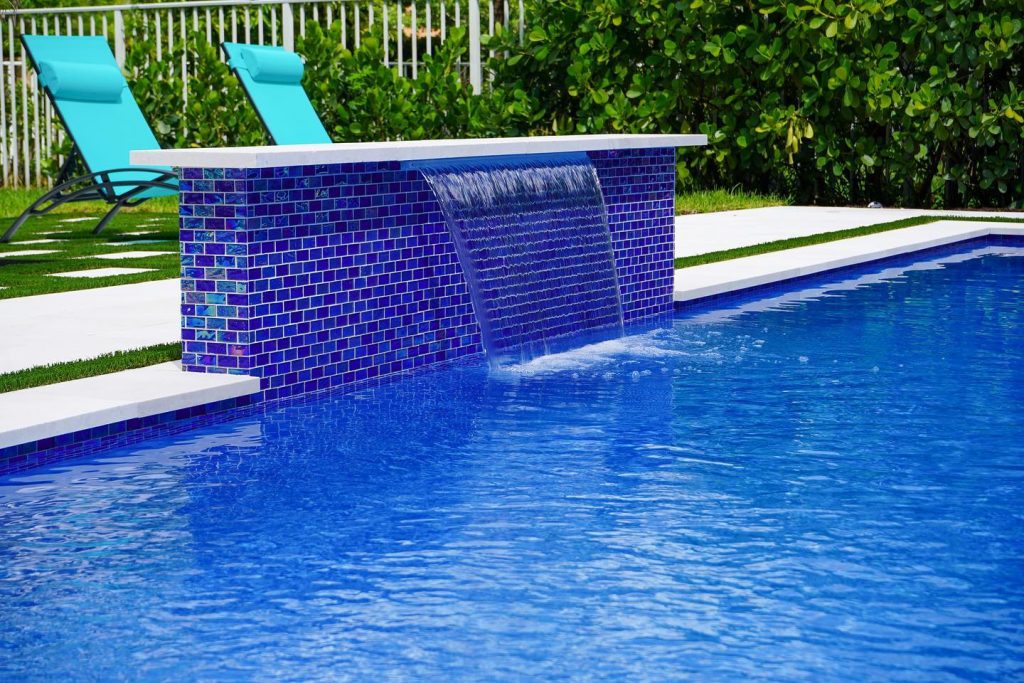
Not all pool chemicals and cleaning products are created equal, and this is especially true for pools located near the ocean. Coastal conditions, including salt-laden air, high humidity, and intense sunlight, create a unique environment that can affect both the water and the pool structure. Standard pool products that work well inland may be less effective or even damaging when used in ocean-adjacent pools. For example, salt particles carried by the wind can accelerate corrosion on metal fixtures and filtration equipment, while UV exposure can break down chemical compounds faster, reducing their effectiveness. Common pool chemicals include chlorine tablets or granules for disinfection, bromine as an alternative sanitizer, algaecides to prevent green or black algae growth, pH increasers and decreasers to maintain water balance, stain and scale removers to tackle mineral buildup, and clarifiers that help suspended particles clump together for easier filtration.
Understanding the specific challenges of a coastal pool is essential for maintaining clean, safe water. Using the wrong products can lead to imbalanced water chemistry, algae growth, staining, and faster wear on surfaces. Conversely, selecting the right chemicals and cleaners protects your investment, keeps the pool water safe for swimming, and ensures your equipment lasts longer. By tailoring your cleaning routine and product choices to the conditions of the ocean environment, whether it’s using stabilized chlorine, phosphate-removing clarifiers, or coastal-safe algaecides, you can enjoy a sparkling pool without unnecessary maintenance headaches.
Chlorine vs Salt Systems
Chlorine remains the most widely used disinfectant for pools worldwide, and it is especially critical for maintaining safe water in coastal areas where higher temperatures, humidity, and sunlight can accelerate algae growth and bacterial activity. Chlorine works by releasing hypochlorous acid (HOCl) when dissolved in water. This acid penetrates and destroys the cell walls of bacteria, viruses, and algae, effectively sanitizing the pool. As it does so, chlorine is gradually converted to hypochlorite ions (OCl⁻), which also contribute to disinfection but are less reactive, which is why maintaining proper pH and chlorine levels is essential for ongoing effectiveness.
Saltwater systems offer an alternative approach by using dissolved salt to generate chlorine through a process called electrolysis. The saltwater passes through a chlorine generator cell, where electrical currents convert sodium chloride (NaCl) into chlorine gas, which dissolves to form hypochlorous acid in the water. This creates a consistent, low-level chlorine concentration that is gentler on skin, eyes, and pool surfaces compared to manually dosing chlorine tablets or granules. Salt systems are increasingly popular in coastal areas like Cape Town because they reduce the need to handle strong chemicals directly and often provide a softer, more comfortable swimming experience.
However, saltwater pools require careful consideration for materials exposed to water and air. Salt can accelerate corrosion on metal fittings, pumps, heaters, and filtration equipment if they are not made of marine-grade or corrosion-resistant materials. Chlorine-based systems also require careful monitoring of pH, alkalinity, and stabilizer levels to ensure effective disinfection while avoiding over-chlorination, which can damage fiberglass surfaces and lead to scale formation. For coastal pool owners, balancing the type of chlorine system with regular testing and proper chemical maintenance is essential. The choice between a traditional chlorine system and a saltwater system depends on factors such as pool size, equipment type, water turnover, maintenance preferences, and long-term durability considerations for the pool’s structure and equipment in a salt-laden environment.
Best Practices and Chemicals for Coastal Pools
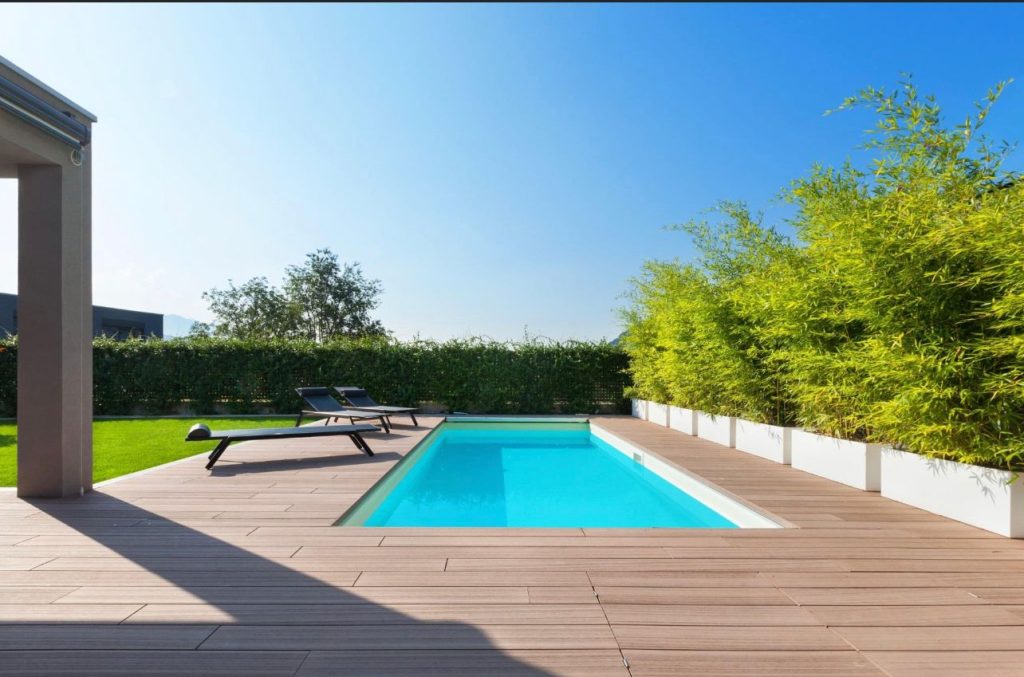
Maintaining a healthy, sparkling pool in coastal areas like Cape Town requires careful selection of chemicals and consistent water management. The most reliable approach combines proper disinfection, pH balance, and preventive treatments tailored to the challenges of salt-laden air, higher UV exposure, and warm, humid conditions.
Chlorine remains the gold standard for bacterial control and algae prevention. Stabilized chlorine tablets or granules are ideal for coastal pools because they maintain effective chlorine levels longer, even under intense sunlight. For those using saltwater systems, the built-in chlorine generation provides a consistent, low-level disinfectant, but it is important to ensure all equipment is marine-grade to resist corrosion.
To maintain proper water chemistry, pH increasers (soda ash) and pH decreasers (muriatic acid) should be used as needed to keep the water between 7.2–7.6, ensuring chlorine remains effective while preventing irritation to swimmers and damage to pool surfaces. Algaecides, particularly copper-based or polymeric formulas, are highly effective in warm coastal climates to prevent green and black algae growth before it becomes a problem. Additionally, stain and scale removers help combat mineral buildup caused by hard water or evaporation, keeping the fiberglass and equipment in top condition. Clarifiers can also be used periodically to bind small particles for easier filtration, improving water clarity.
The key to long-lasting pool health in coastal areas is regular testing and proactive maintenance. Weekly water checks, combined with consistent dosing of these carefully selected chemicals, ensure that bacterial levels are controlled, water remains balanced, and the pool structure and equipment are protected from corrosion and scale. Following these best practices not only keeps the pool safe and enjoyable but also reduces costly repairs and extends the life of your investment.
By choosing the right combination of chemicals, stabilized chlorine, pH adjusters, algaecides, clarifiers, and scale removers and monitoring water chemistry carefully, coastal pool owners in Cape Town can enjoy crystal-clear water, a safe swimming environment, and minimal maintenance challenges year-round.

Leave a Reply