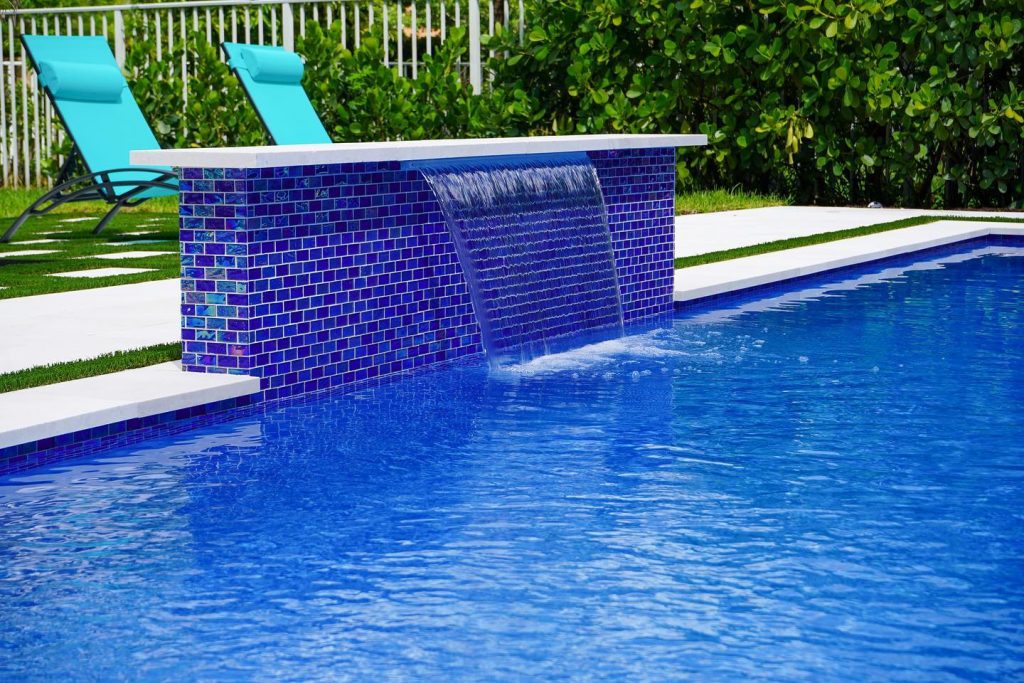

A well-maintained swimming pool isn’t just about sparkling blue water, it’s about safety, efficiency, and protecting your investment. Proper swimming pool maintenance ensures clean water, balanced chemicals, and long-lasting equipment performance.
Whether you’re a homeowner or property manager, this guide covers everything you need to know about maintaining your pool the right way.
Why Regular Pool Maintenance Is Important
Consistent pool care helps:
- Prevent algae growth
- Maintain safe water for swimmers
- Extend the lifespan of your pump and filter
- Reduce costly repairs
- Improve energy efficiency
Ignoring small maintenance tasks can quickly turn into expensive repairs, equipment damage, or even health risks.
Weekly Pool Cleaning Routine
Routine cleaning is the foundation of effective swimming pool maintenance.
1. Skim the Surface
Remove leaves, insects, and debris from the water surface at least once a week. This prevents clogging and staining.
2. Brush Pool Walls & Steps
Brushing prevents algae buildup and keeps surfaces clean and smooth.
3. Vacuum the Pool Floor
Vacuum weekly to remove dirt and debris that settle at the bottom.
Pro Tip: Staying consistent with weekly cleaning reduces chemical usage and prevents algae outbreaks.
How to Balance Pool Water Chemistry
Balanced water is critical for swimmer safety and equipment protection.
Maintain these levels:
- pH: 7.4 – 7.6
- Chlorine: 1 – 3 ppm
- Total Alkalinity: 100 – 150 ppm
Test your pool water at least once a week, more often during summer.
Why Water Balance Matters
- Low pH can cause corrosion and skin irritation.
- High pH leads to cloudy water and scaling.
- Incorrect chlorine levels allow bacteria and algae to grow.
Proper chemical balance keeps your water crystal clear and safe.
The Importance of Shocking Your Pool
Pool shocking should be done every two weeks or after:
- Heavy rainfall
- High swimmer load
- Extreme heat
Shocking eliminates contaminants, breaks down chloramines, and prevents algae blooms.
Regular shocking keeps your pool water fresh and sanitized.
Pool Filter Maintenance Guide
Your filter plays a major role in keeping your water clean.
Cartridge Filters
Clean every 2–6 weeks depending on usage.
Sand Filters
Backwash regularly to maintain proper pressure and flow.
- Inspect sand filters annually.
- Replace sand every 5–10 years.
A dirty filter reduces circulation and puts strain on your pump.
Pump & Equipment Maintenance
The pool pump is the heart of your circulation system. Ensure it runs efficiently to prevent:
- Cloudy water
- Dead spots
- Algae growth
- Increased energy costs
Routine inspections help detect worn parts early and prevent breakdowns.
Benefits of Using a Pool Cover
A pool cover can significantly reduce maintenance time and costs by:
- Reducing evaporation
- Keeping debris out
- Retaining heat
- Lowering chemical usage
Especially in hot or windy areas, a cover protects your pool and conserves water.
Seasonal Pool Maintenance Tips
Summer Pool Care
During warmer months:
- Test water chemistry more frequently
- Increase cleaning schedule
- Monitor water levels
- Shock more often if needed
High temperatures and frequent swimming affect chemical balance quickly.
Water Conservation During Drought
In dry conditions:
- Fix leaks immediately
- Use covers daily
- Avoid unnecessary draining
- Maintain optimal water levels
Responsible water management protects both your pool and the environment.
When to Hire a Professional Pool Service
While basic maintenance can be done yourself, professional servicing offers:
- Early leak detection
- Equipment inspections
- Proper chemical balancing
- Long-term cost savings
Professional maintenance extends equipment lifespan and ensures your pool stays in top condition year-round. Effective swimming pool maintenance requires consistency. By following a routine of cleaning, chemical balancing, filter care, and equipment inspections, you’ll keep your pool safe, clear, and operating efficiently for years to come. Investing time in maintenance today prevents costly repairs tomorrow.
Leave a Reply