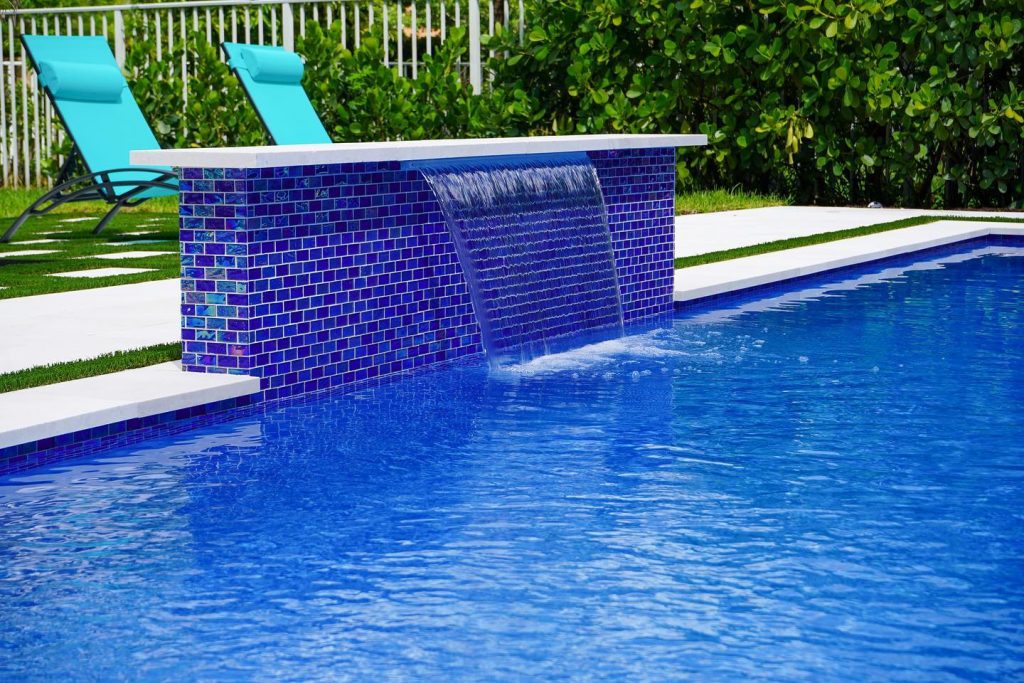

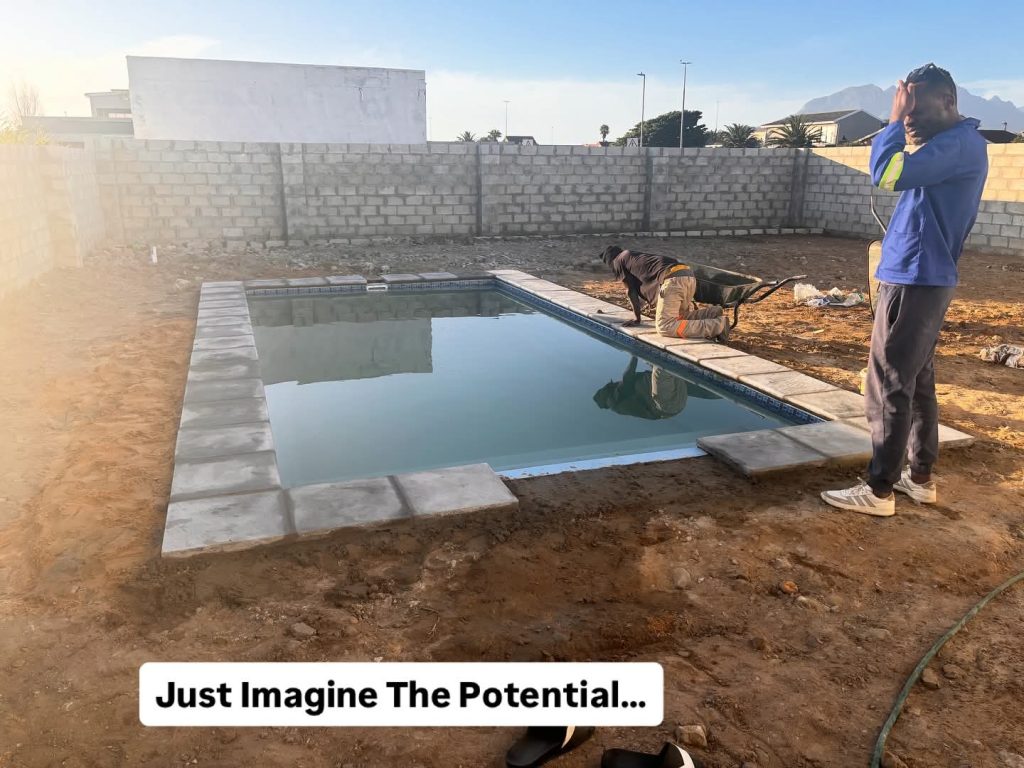
Building a swimming pool is one of the most exciting home improvement projects a homeowner can undertake. A pool transforms your outdoor space into a private oasis — a place for exercise, socializing, relaxation, and family time. But anyone who’s embarked on a pool build knows it’s also a complex investment requiring careful planning, the right team, and a clear roadmap.Whether you’re in Australia, Europe, South Africa, or anywhere else, the fundamentals are similar. This guide breaks down the essential do’s and don’ts so your pool project runs smoothly, stays on budget, and gives you years of enjoyment.
1. Start With a Clear Vision.
Before you talk to a builder or designer, think about why you’re building a pool.Ask yourself:Will the pool be for family fun, fitness, entertainment, or relaxation? Do you want a shallow splash area for children? Should it be heated for year-round use?Are you aiming for a minimalist modern look or a resort-style design?Knowing the purpose influences size, shape, depth, heating, finishing materials, and even location — which affects sunlight exposure and privacy.
2. Check Local Regulations and Permits.
Every country, municipality, and sometimes neighborhood association has rules about pool construction:
• Safety fencing and gate requirements
• Barrier heights and self-closing latches
• Electrical and plumbing inspections
• Drainage and overflow regulations
In many municipalities, strict safety and fencing laws are enforced, and plans must be approved before digging starts.
Pro tip: Never assume you don’t need a permit — always check first. In some areas, work without permits can lead to fines or even forced removal.
3. Establish a Realistic Budget (with Contingency).
A pool isn’t just a hole in the ground — the cost includes:
• Excavation and groundworks
• Pool shell (concrete, fibreglass, or vinyl)
• Filtration and pump systems
• Heating (heat pump or solar)
• Finishes (tiles, plaster, decking)
• Lighting and landscaping
• Safety fencing and access paths
A good rule of thumb is to expect additional costs of at least 10–20% above your base estimate for contingencies (unexpected engineering updates, soil issues, design changes).
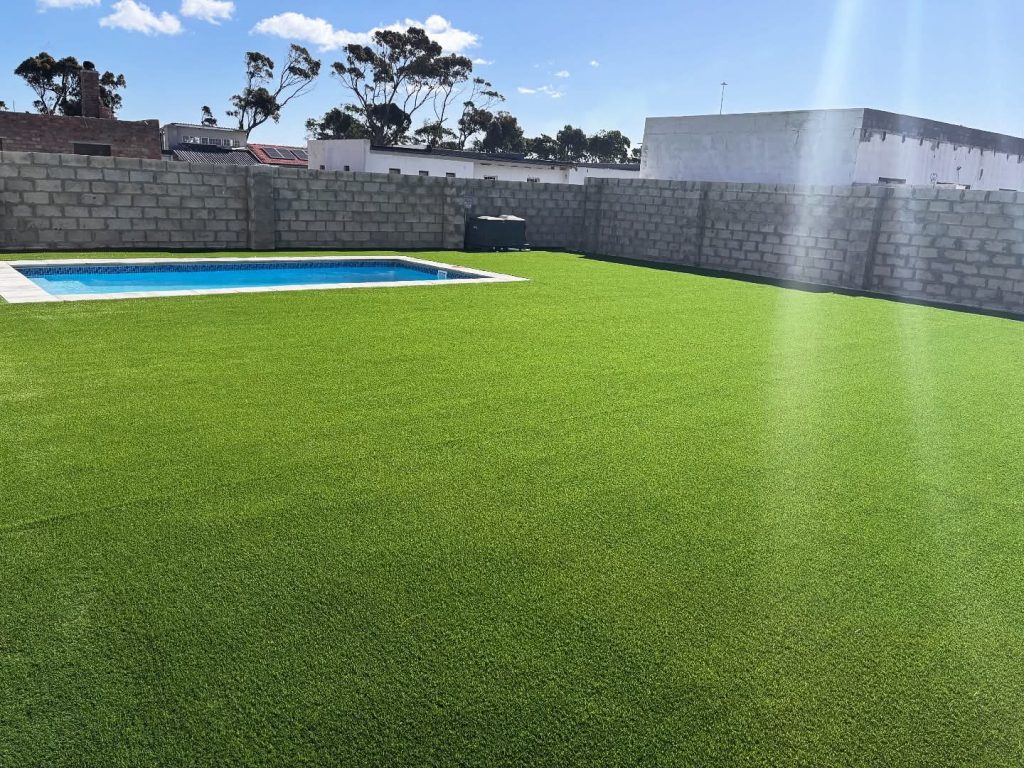
4. Choose the Right Contractor.
Selecting a contractor is the most important step in your pool build. Here’s how to do it right:
✔️ ResearchLook for:
Licensed and insured professionals.
Local builders (familiar with local rules and soil conditions)
Companies with portfolios similar to what you want
✔️ Interview CandidatesAsk questions like:
• How many years have you been building pools?
• Are you licensed and insured?• Can you provide references?
• Who supervises the site daily?
• What is your proposed timeline?
✔️ Review Contracts Carefully
Make sure the contract includes:
• Clear breakdown of costs
• Payment schedule
• Scope and specifications
• Change order process
• Warranty and maintenance details
✔️ Avoid Large Upfront Payments
Standard practice is a deposit, then staged payments aligned with completed milestones (excavation, plumbing, shell completion, tiling, etc.).
5. Think About Pool Orientation and Location.
Placement isn’t just aesthetics — it affects sunlight, wind exposure, privacy, and how often you’ll use the pool.
Good placement:
Maximises morning and midday sun
Offers visibility from key house areas
Avoids excessive shade from trees (reduces leaf fall and debris)Also consider decking and outdoor living integration — your pool should feel like a natural part of your outdoor space.
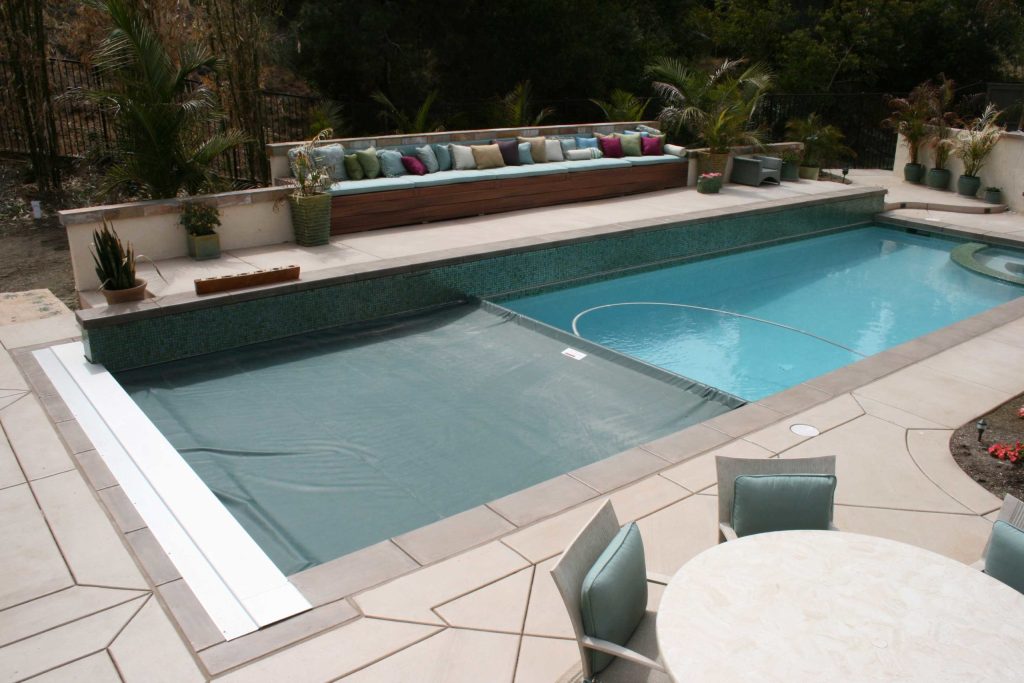
6. Choose the Right Pool Type for Your Lifestyle.
There are three major pool types — each with pros and cons:
💧 Concrete (Custom)
• Most flexible shapes and designs
• Can be finished with tiles or plaster
• Highly durable
• Typically most expensive and longest build time
🌊 Fibreglass
• Faster installation (pre-moulded shell)
• Smooth surface
• Lower maintenance
• Limited customisation🌀 Vinyl-lined
• Lower upfront cost
• Customisable shapes
• Liner needs periodic replacement
The right choice depends on your budget, site conditions, and design goals.
Building a pool is disruptive: heavy machinery, noise, ground disturbance, and dust are normal.
7. Prepare for Construction Impact.
Read more: The Ultimate Guide to Building a Swimming Pool | What to consider to have a Successful Project. Read more: The Ultimate Guide to Building a Swimming Pool | What to consider to have a Successful Project.Be ready for:
• Temporary loss of yard space
• Restricted access to parts of your property
• Parking/loading areas for equipment
Communication with your builder helps set expectations on timing and site access.
✔️ Stay involved — regular check-ins with your builder keep projects on track
Final Tips for Success.
✔️ Document changes — get everything in writing
✔️ Plan for the future — consider heating, shade, lighting, and automation early
✔️ Enjoy the process — a well-built pool pays off in lifestyle and value
Building a pool doesn’t have to be stressful. With thoughtful planning, the right team, and an understanding of what to watch for and avoid, you can create a space that adds enjoyment, value, and beauty to your home.

Leave a Reply